" d="M896 513c116 45.015 222 64 304 75V0H0v501c40 36.024 154 76 340 76s344-146.269 556-64Z"/%3E%3C/mask%3E%3Cg mask="url(%23b)"%3E%3Cpath fill="url(%23c)" d="M896 513c116 45.015 222 64 304 75V0H0v501c40 36.024 154 76 340 76s344-146.269 556-64Z"/%3E%3Cpath fill="url(%23d)" fill-opacity=".15" d="M581.718 62.893c42.993 1.53 86.281 5.888 129.704 13.204 311.828 52.485 552.538 242.016 657.698 483.656-149.97-147.971-450.891-226.33-789.375-232.079-338.534.839-640.434 74.572-792.746 220.292 108.75-240.047 352.255-425.97 664.832-473.803a1041.548 1041.548 0 0 1 129.887-11.27Z"/%3E%3Cpath fill="url(%23e)" fill-opacity=".5" d="M611.247 209.93a1458.84 1458.84 0 0 1 139.573 27.692c333.61 83.239 577.16 267.208 668.67 475.188-148.93-138.63-468.279-241.218-835.209-290.421-367.6-43.915-702.265-24.445-881.281 72.561 140.567-178.524 422.355-295.817 766.181-293.074 47.867.484 95.274 3.212 142.066 8.054Z"/%3E%3Cpath fill="url(%23f)" d="M735.039 879.394c48.524-6.62 97.023-16.967 145.3-31.2C1227.03 746.059 1475.76 472.327 1564.28 145c-151.17 209.633-482.23 344.436-865.05 388.31C315.515 568.571-35.93 504.564-227 330.342-73.333 632.61 226.169 849.617 586.429 878.604c50.15 3.871 99.74 4.07 148.61.79Z" opacity=".3"/%3E%3Cpath fill="url(%23g)" d="M694.222 783.712c50.956 12 103.317 20.27 156.946 24.578 385.102 31.013 738.232-146.76 952.062-439.434-231.22 151.216-613.24 158.795-1012.047 55.796C394.784 312.716 68.643 114.101-55.211-133c37.44 360.528 253.087 691.895 601.449 858.946 48.557 23.091 97.963 42.302 147.984 57.766Z" opacity=".9"/%3E%3Cpath fill="url(%23h)" fill-opacity=".5" d="M896 513c116 45.015 222 64 304 75V0H0v501c40 36.024 154 76 340 76s344-146.269 556-64Z"/%3E%3C/g%3E%3Cdefs%3E%3ClinearGradient id="a" x1="1005" x2="989.087" y1="23" y2="552.522" gradientUnits="userSpaceOnUse"%3E%3Cstop stop-color="%23007EE5"/%3E%3Cstop offset=".333" stop-color="%231561D4"/%3E%3Cstop offset="1" stop-color="%230A4AAB"/%3E%3C/linearGradient%3E%3ClinearGradient id="c" x1="1005" x2="989.087" y1="23" y2="552.522" gradientUnits="userSpaceOnUse"%3E%3Cstop stop-color="%23007EE5"/%3E%3Cstop offset=".334" stop-color="%231561D4"/%3E%3C/linearGradient%3E%3ClinearGradient id="d" x1="675.999" x2="879.999" y1="648.999" y2="120.999" gradientUnits="userSpaceOnUse"%3E%3Cstop stop-color="%23fff"/%3E%3Cstop offset="1" stop-color="%23fff" stop-opacity="0"/%3E%3C/linearGradient%3E%3ClinearGradient id="e" x1="656.5" x2="637.602" y1="213" y2="622.259" gradientUnits="userSpaceOnUse"%3E%3Cstop offset=".115" stop-color="%23fff" stop-opacity="0"/%3E%3Cstop offset=".944" stop-color="%23017D8D"/%3E%3C/linearGradient%3E%3ClinearGradient id="f" x1="398" x2="737" y1="599" y2="387" gradientUnits="userSpaceOnUse"%3E%3Cstop stop-color="%2300ABB5"/%3E%3Cstop offset="1" stop-color="%2300A0B5" stop-opacity="0"/%3E%3C/linearGradient%3E%3ClinearGradient id="g" x1="1051.5" x2="271" y1="567" y2="575" gradientUnits="userSpaceOnUse"%3E%3Cstop stop-color="%230098C2"/%3E%3Cstop offset="1" stop-color="%23033E96" stop-opacity="0"/%3E%3C/linearGradient%3E%3ClinearGradient id="h" x1="1005" x2="986.038" y1="23" y2="587.43" gradientUnits="userSpaceOnUse"%3E%3Cstop offset=".813" stop-opacity="0"/%3E%3Cstop offset=".972"/%3E%3C/linearGradient%3E%3C/defs%3E%3C/svg%3E)
2025 Tesla Model S
Price Range: $79,990 - $94,990

Great
out of 10
edmunds TESTED
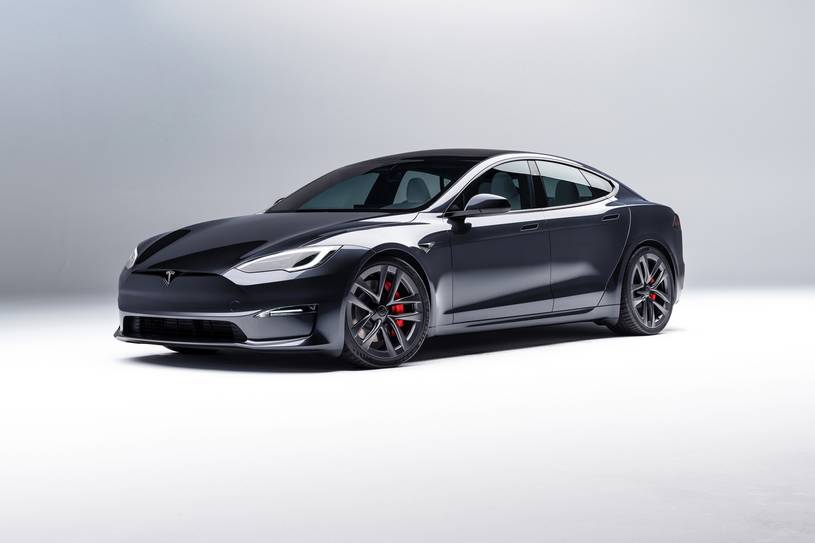
Continuous improvements through the years have helped keep the 2025 Tesla Model S a good choice for an electric luxury sedan. Performance is at the forefront, with even the standard version offering prodigious acceleration and 400-plus miles of range. The even more potent Plaid is one of the quickest cars we've ever tested. The Model S isn't the most luxurious or customizable EV sedan out there, but it is one of the most exciting.Read full review
See All for Sale
Shop vehicle inventory at dealers near you
See other review years
Tesla Model S for Sale
2025 Tesla Model S Review


Pros
- Electric range is impressive
- Very quick acceleration across the board
- Liftback design affords abundant cargo space
Cons
- Interior isn't as refined as cabins of similarly priced sedans
- No Apple CarPlay or Android Auto smartphone integration
- Limited array of paint colors or personalization options from the factory
What's new
- The Model S carries over unchanged
- Part of the first Model S generation launched for 2012
Overview
The 2025 Model S might not be Tesla's best-selling car, but it is easily its most iconic. On sale since 2012, the Model S has seen two major face-lifts and hundreds of tweaks to its software over the years. Tesla hasn't seen fit to redesign the Model S in more than a decade, likely because it's been able to update the battery and electric motor technology around that aging body. As a result, the Model S feels about as up-to-date as much of its competition. You can expect a few software tweaks over the year, but in terms of appearance, battery tech, power outputs and range estimates, the Model S is essentially the same as the 2024 version.
Continue reading Edmunds Expert Rating below See All EV Insights
Tesla Model S EV Insights
Trim:
Model S Base
Range
410 miles
Estimated EV Range
EV batteries lose 1-2% of range per year. Est. range for this car is 349 miles after 8 years.
Estimated range mapfrom
Charging
NACS
Plug Type
No charging time information available
EV Battery Warranty
8 yrs or 150,000 miles
According to GeoTab’s data, if the observed degradation rates are maintained, the vast majority of batteries will outlast the usable life of the vehicle.
EV Tax Credits & Rebates
Maximize savings on your Tesla Model S.
You could save$100
We’ll check your eligibility for:
- Vehicle not eligible for federal EV credit
- Local rebates
Edmunds does not share any data that you provide through this tool. We make every effort to provide accurate information, but please verify programs and eligibility before purchasing a vehicle. This information is provided subject to our Visitor Agreement.
Cost to Drive
Not EPA Tested
Model S
vs
$175/mo
Car Avg.
Monthly estimates based on costs in Texas
Am I Ready for an EV?
- EV ownership works best if you can charge at home (240V outlet)
- Adding a home charging system is estimated to cost $1,616 in
- Edmunds is partnering with Treehouse, an independent provider of home EV installation services. Learn more about the installation services partnership
Need to install a charger at home?
Edmunds spotlight: The Plaid's a bargain
When it comes to speed, nothing delivers like an overpowered EV. When it launched, the Model S Plaid set the world into a spiral. Its acceleration figures were nothing short of sensational, and silly steering yoke aside, the Plaid was a huge leap forward for the Model S. Now a few years after its launch, the Model S Plaid faces off against high-power rivals from BMW's M division, Mercedes' AMG department and the Lucid Air Sapphire. Considering its lower price compared to these cars, the Plaid is a bona fide performance bargain.
Competitors to consider
The Model S has been around for a while, so it doesn't exactly shy away from the competition that's recently come its way. BMW has the i7, Lucid offers the Air, and Mercedes-Benz has the EQS. The BMW is significantly more luxurious, the Lucid is better to drive, and the Mercedes offers exceptional range. What you want likely comes down to what you desire from your EV experience, but there's no denying that Tesla has been the pacesetter for the majority of its life. For our test team's in-depth review, make sure to read the Edmunds Expert Rating below.
Which Model S does Edmunds recommend?
While you could step up to the insanely powerful Plaid model, most people don't need one of the quickest production cars in the world. That's why we suggest the standard Model S; it still provides rocket-like acceleration and all-wheel drive, and it delivers a longer range than the Plaid. With the money you save on the regular model, you can upgrade the exterior and interior color, get a home charger, and add the Full Self-Driving Capability package.
Compare 2025 Tesla Model S trim levels
Helpful trims summary and side-by-side comparison chart
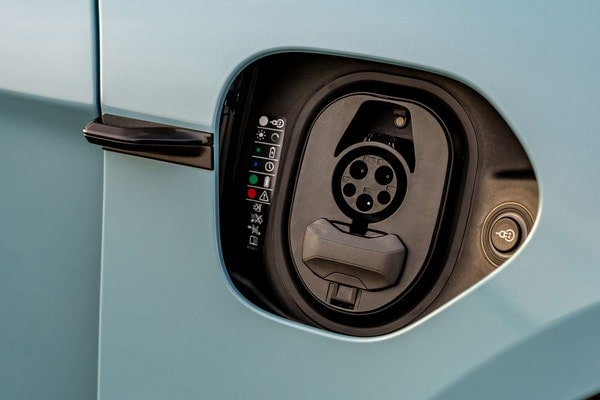
Edmunds Tested: Electric Car Range and Consumption
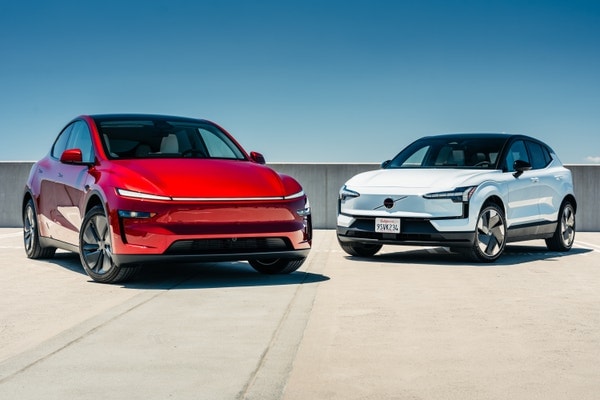
Tesla Model Y vs. Volvo EX30: Small SUVs, Big Screens
Our 2024 Tesla Model 3 Lost Half Its Value in One Year
Our 2024 Tesla Model 3 Performance Is an Edmunds U-Drags Assassin
Helpful shopping links
2025 Tesla Model S videos
U-Drags Race: Porsche Taycan Turbo GT vs. Tesla Model S Plaid | Quarter Mile, Handling & More
NOTE: This video is about the 2024 Tesla Model S, but since the 2025 Tesla Model S is part of the same generation, our earlier analysis still applies.
Welcome back to Edmunds U-Drags, our series of down-and-back drag races that incorporate a standing quarter mile, handling, and a rolling start all in one race! In this episode, it’s a battle of two ultra-quick electric sedans as the Porsche Taycan Turbo GT takes on the Tesla Model S Plaid.

Compare the Tesla Model S
- Tesla Model S1
- Add any vehicle to compare


PRICE CHECKER™
Check a dealer's price
Bring back a dealer's quote, and we'll tell you if it's a good price!
Check your price quote
Price:
$ -
Graph shown is a sample only
FAQ
Is the Tesla Model S a good car?
The Edmunds experts tested the 2025 Model S both on the road and at the track, giving it a 8.4 out of 10. Edmunds’ consumer reviews show that the 2025 Model S gets an average rating of 4 stars out of 5 (based on 26 reviews) What about cargo capacity? When you're thinking about carrying stuff in your new car, keep in mind that the Model S has 28.2 cubic feet of trunk space. And then there's safety and reliability. Edmunds has all the latest NHTSA and IIHS crash-test scores, plus industry-leading expert and consumer reviews to help you understand what it's like to own and maintain a Tesla Model S. Learn more
What's new in the 2025 Tesla Model S?
According to Edmunds’ car experts, here’s what’s new for the 2025 Tesla Model S:
- The Model S carries over unchanged
- Part of the first Model S generation launched for 2012
Is the Tesla Model S reliable?
To determine whether the Tesla Model S is reliable, read Edmunds' authentic consumer reviews, which come from real owners and reveal what it's like to live with the Model S. Look for specific complaints that keep popping up in the reviews, and be sure to compare the Model S's 4-star average consumer rating to that of competing vehicles. Learn more
Is the 2025 Tesla Model S a good car?
There's a lot to consider if you're wondering whether the 2025 Tesla Model S is a good car. Edmunds' expert testing team reviewed the 2025 Model S and gave it a 8.4 out of 10. Our consumer reviews show that the 2025 Model S gets an average rating of 4 stars out of 5 (based on 26 reviews). Safety scores, fuel economy, cargo capacity and feature availability should all be factors in determining whether the 2025 Model S is a good car for you. Learn more
How much should I pay for a 2025 Tesla Model S?
The least-expensive 2025 Tesla Model S is the 2025 Tesla Model S 4dr Sedan AWD (electric DD). Including destination charge, it arrives with a Manufacturer's Suggested Retail Price (MSRP) of about $79,990.
Other versions include:
- 4dr Sedan AWD (electric DD) which starts at $79,990
- Plaid 4dr Sedan AWD (electric DD) which starts at $94,990
What are the different models of Tesla Model S?
If you're interested in the Tesla Model S, the next question is, which Model S model is right for you? Model S variants include 4dr Sedan AWD (electric DD), and Plaid 4dr Sedan AWD (electric DD). For a full list of Model S models, check out Edmunds’ Features & Specs page. Learn more