(Enlarge photo)
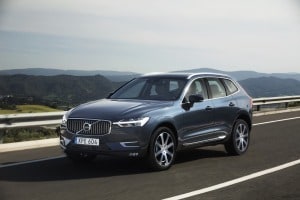
It's not a good idea to enter into negotiations with anyone who intimidates you or makes you feel uncomfortable. (Photo by Scott Jacobs)
|
|
|
|
|
Buying Tips
10 Steps to Buying a Used Car
Step 9: Negotiating for a used car.
By Philip Reed, Senior Consumer Advice Editor Email
Whether you are buying a used car from a dealer or a private party, let them know
you have the cash in hand (or financing arranged) to make a deal on the spot.
Preface your offer with a statement like, "I'm ready to make a deal now. I can
give you cash (or a cashier's check) now. But we need to talk about the price."
At this point, you need to have a persuasive argument about why the price is too
high. So let's talk about pricing. The foundation of successful negotiation is
information. This is particularly true when buying a used car. And yet, the condition
of used cars means prices will vary widely.
Edmunds.com has removed much of the guesswork in used car pricing by developing
True Market Value pricing. After you have
gathered information about a car you are considering, look it up on the Edmunds.com
used car pages. When you're finished, print out the three TMV prices: Trade-In,
Private Party and Dealer Retail.
Dealers have lots of experience negotiating. Most private parties do not. Therefore,
buying a used car from a dealer or a private party will be two very different
experiences. But there is one overriding similarity they both want to sell
the car. In fact, the incentive to sell the car might be greater to the dealer
than to the private party owner.
You should, however, follow these guidelines when negotiating:
- Only enter into negotiations with a salesperson you feel comfortable with
- Make an opening offer that is low, but in the ballpark
- Decide ahead of time how high you will go and leave when your limit's reached
- Walk out this is your strongest negotiating tool
- Be patient plan to spend an hour or more negotiating
- Leave the dealership if you get tired or hungry
- Don't be distracted by pitches for related items such as extended warranties
or anti-theft devices
- Expect a "closer" (another salesman you've haven't previously dealt with)
to try to improve the deal before you reach a final price
Once you have a deal, you need to make sure the transaction is completed properly.
The next section, which is the final step, will tell you what to expect and what
you need to do.
|
|
|
|
| More Buying Articles |
|