" d="M896 513c116 45.015 222 64 304 75V0H0v501c40 36.024 154 76 340 76s344-146.269 556-64Z"/%3E%3C/mask%3E%3Cg mask="url(%23b)"%3E%3Cpath fill="url(%23c)" d="M896 513c116 45.015 222 64 304 75V0H0v501c40 36.024 154 76 340 76s344-146.269 556-64Z"/%3E%3Cpath fill="url(%23d)" fill-opacity=".15" d="M581.718 62.893c42.993 1.53 86.281 5.888 129.704 13.204 311.828 52.485 552.538 242.016 657.698 483.656-149.97-147.971-450.891-226.33-789.375-232.079-338.534.839-640.434 74.572-792.746 220.292 108.75-240.047 352.255-425.97 664.832-473.803a1041.548 1041.548 0 0 1 129.887-11.27Z"/%3E%3Cpath fill="url(%23e)" fill-opacity=".5" d="M611.247 209.93a1458.84 1458.84 0 0 1 139.573 27.692c333.61 83.239 577.16 267.208 668.67 475.188-148.93-138.63-468.279-241.218-835.209-290.421-367.6-43.915-702.265-24.445-881.281 72.561 140.567-178.524 422.355-295.817 766.181-293.074 47.867.484 95.274 3.212 142.066 8.054Z"/%3E%3Cpath fill="url(%23f)" d="M735.039 879.394c48.524-6.62 97.023-16.967 145.3-31.2C1227.03 746.059 1475.76 472.327 1564.28 145c-151.17 209.633-482.23 344.436-865.05 388.31C315.515 568.571-35.93 504.564-227 330.342-73.333 632.61 226.169 849.617 586.429 878.604c50.15 3.871 99.74 4.07 148.61.79Z" opacity=".3"/%3E%3Cpath fill="url(%23g)" d="M694.222 783.712c50.956 12 103.317 20.27 156.946 24.578 385.102 31.013 738.232-146.76 952.062-439.434-231.22 151.216-613.24 158.795-1012.047 55.796C394.784 312.716 68.643 114.101-55.211-133c37.44 360.528 253.087 691.895 601.449 858.946 48.557 23.091 97.963 42.302 147.984 57.766Z" opacity=".9"/%3E%3Cpath fill="url(%23h)" fill-opacity=".5" d="M896 513c116 45.015 222 64 304 75V0H0v501c40 36.024 154 76 340 76s344-146.269 556-64Z"/%3E%3C/g%3E%3Cdefs%3E%3ClinearGradient id="a" x1="1005" x2="989.087" y1="23" y2="552.522" gradientUnits="userSpaceOnUse"%3E%3Cstop stop-color="%23007EE5"/%3E%3Cstop offset=".333" stop-color="%231561D4"/%3E%3Cstop offset="1" stop-color="%230A4AAB"/%3E%3C/linearGradient%3E%3ClinearGradient id="c" x1="1005" x2="989.087" y1="23" y2="552.522" gradientUnits="userSpaceOnUse"%3E%3Cstop stop-color="%23007EE5"/%3E%3Cstop offset=".334" stop-color="%231561D4"/%3E%3C/linearGradient%3E%3ClinearGradient id="d" x1="675.999" x2="879.999" y1="648.999" y2="120.999" gradientUnits="userSpaceOnUse"%3E%3Cstop stop-color="%23fff"/%3E%3Cstop offset="1" stop-color="%23fff" stop-opacity="0"/%3E%3C/linearGradient%3E%3ClinearGradient id="e" x1="656.5" x2="637.602" y1="213" y2="622.259" gradientUnits="userSpaceOnUse"%3E%3Cstop offset=".115" stop-color="%23fff" stop-opacity="0"/%3E%3Cstop offset=".944" stop-color="%23017D8D"/%3E%3C/linearGradient%3E%3ClinearGradient id="f" x1="398" x2="737" y1="599" y2="387" gradientUnits="userSpaceOnUse"%3E%3Cstop stop-color="%2300ABB5"/%3E%3Cstop offset="1" stop-color="%2300A0B5" stop-opacity="0"/%3E%3C/linearGradient%3E%3ClinearGradient id="g" x1="1051.5" x2="271" y1="567" y2="575" gradientUnits="userSpaceOnUse"%3E%3Cstop stop-color="%230098C2"/%3E%3Cstop offset="1" stop-color="%23033E96" stop-opacity="0"/%3E%3C/linearGradient%3E%3ClinearGradient id="h" x1="1005" x2="986.038" y1="23" y2="587.43" gradientUnits="userSpaceOnUse"%3E%3Cstop offset=".813" stop-opacity="0"/%3E%3Cstop offset=".972"/%3E%3C/linearGradient%3E%3C/defs%3E%3C/svg%3E)
2025 Hyundai Sonata
Price Range: $26,900 - $37,700


Good
out of 10
edmunds TESTED
The 2025 Hyundai Sonata is a stylish-looking sedan that boasts roomy seating and plenty of features for the money. Available all-wheel drive and a long warranty are other strong points. Overall it's a smart pick for a midsize sedan.Read full review

See All for Sale
Shop vehicle inventory at dealers near you
2025 Hyundai Sonata Review
Pros
- Comes loaded with many helpful standard technology features
- Roomy interior with ample storage
- High fuel economy from the Sonata Hybrid
Cons
- Not as comfortable as some other top sedans
- Some interior materials look a little cheap
What's new
- Base SE trim reintroduced for 2025
- Part of the seventh Sonata generation introduced for 2020
Overview

The 2025 Hyundai Sonata is a standout pick for a midsize sedan. It's offered as both a hybrid or a traditional gas-powered sedan and comes with the option for either front- or all-wheel drive. Last year, the Sonata received a styling makeover. The changes make it look a little more daring, something sedans need to compete in a market that's jam-packed with SUV-hungry shoppers. As a result of the big overhaul in 2024, the Sonata carries over into 2025 with no significant changes.
Edmunds spotlight: Value-laden N Line
While it's not an out-and-out performance machine, the Sonata N Line, its top trim, comes with a juiced-up turbocharged 2.5-liter four-cylinder engine that makes a very healthy 290 horsepower. But that's not all it gets. The N Line comes with every feature Hyundai is willing to throw at the Sonata from the start and performance that genuinely blows the competition away. If you want a surprisingly quick midsize sedan, the N Line is probably your best bet.
Competitors to consider
The Honda Accord and Toyota Camry are both great options. Notably, every Camry is now a hybrid while the Accord comes with a hybrid powertrain in its more expensive trim levels. You should also check out the Kia K5. It's related to the Sonata and gets a refresh for 2025. Overall, the Sonata is easy to recommend among this group, especially if style and value are top priorities for you. Check out our test team's Expert Rating below to learn more.
Edmunds Expert Rating
edmunds TESTED

We drove the 2025 Hyundai Sonata on our test track and on real roads. Our Edmunds team conducts rigorous independent vehicle testing, driving 500,000 miles a year.
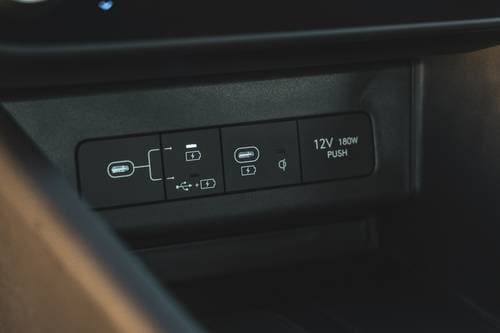
Interior
8/10
Save as much as $781 with Edmunds
2025 Hyundai Sonata pricing in Decatur, IN
Edmunds suggests you pay

2025 Hyundai Sonata trim level differences
The 2025 Hyundai Sonata is a midsize sedan available in six trims: SE, SEL, SEL Convenience, N Line, SEL Hybrid and Limited Hybrid. It's important to know how they differ since there are three available powertrains. The SE is the mainstream Sonata. It comes with a 2.5-liter four-cylinder (191 horsepower and 181 lb-ft of torque), an eight-speed automatic transmission and front-wheel drive. Then there's the sporty N Line, with its turbocharged 2.5-liter four-cylinder (290 horsepower, 311 lb-ft of torque). All-wheel drive is available, but only on the non-hybrid SEL.
Which Sonata trim does Edmunds recommend?
We think the Sonata SEL offers the best blend of features and value. It's also available with the base engine or a hybrid powertrain. The SEL Hybrid costs a little more, but its superior fuel economy should help you recoup the extra upfront costs after just a few years of ownership.
Compare 2025 Hyundai Sonata trim levels
Helpful trims summary and side-by-side comparison chart
Helpful shopping links
2025 Hyundai Sonata video
Toyota Camry vs. Honda Accord vs. Hyundai Sonata: Midsize Hybrid Sedans Comparison Test
NOTE: This video is about the 2024 Hyundai Sonata, but since the 2025 Hyundai Sonata is part of the same generation, our earlier analysis still applies.
The midsize sedan segment just got a shakeup: The redesigned Honda Accord and Toyota Camry have gone hybrid-only, and there’s a heavily refreshed Hyundai Sonata hoping to stand its ground. In this video, Edmunds’ Clint Simone puts all three head-to-head-to-head in our Midsize Hybrid Sedans comparison test!
Compare the Hyundai Sonata
- Hyundai Sonata4
- Add any vehicle to compare


Check a dealer's price
Bring back a dealer's quote, and we'll tell you if it's a good price!
Check your price quote
Price:
$ -
Graph shown is a sample only
FAQ
Is the Hyundai Sonata a good car?
The Edmunds experts tested the 2025 Sonata both on the road and at the track, giving it a 7.9 out of 10. Edmunds’ consumer reviews show that the 2025 Sonata gets an average rating of 4 stars out of 5 (based on 38 reviews) What about cargo capacity? When you're thinking about carrying stuff in your new car, keep in mind that the Sonata has 15.6 cubic feet of trunk space. And then there's safety and reliability. Edmunds has all the latest NHTSA and IIHS crash-test scores, plus industry-leading expert and consumer reviews to help you understand what it's like to own and maintain a Hyundai Sonata. Learn more
What's new in the 2025 Hyundai Sonata?
According to Edmunds’ car experts, here’s what’s new for the 2025 Hyundai Sonata:
- Base SE trim reintroduced for 2025
- Part of the seventh Sonata generation introduced for 2020
Is the Hyundai Sonata reliable?
To determine whether the Hyundai Sonata is reliable, read Edmunds' authentic consumer reviews, which come from real owners and reveal what it's like to live with the Sonata. Look for specific complaints that keep popping up in the reviews, and be sure to compare the Sonata's 4-star average consumer rating to that of competing vehicles. Learn more
Is the 2025 Hyundai Sonata a good car?
There's a lot to consider if you're wondering whether the 2025 Hyundai Sonata is a good car. Edmunds' expert testing team reviewed the 2025 Sonata and gave it a 7.9 out of 10. Our consumer reviews show that the 2025 Sonata gets an average rating of 4 stars out of 5 (based on 38 reviews). Safety scores, fuel economy, cargo capacity and feature availability should all be factors in determining whether the 2025 Sonata is a good car for you. Learn more
How much should I pay for a 2025 Hyundai Sonata?
The least-expensive 2025 Hyundai Sonata is the 2025 Hyundai Sonata SE 4dr Sedan (2.5L 4cyl 8A). Including destination charge, it arrives with a Manufacturer's Suggested Retail Price (MSRP) of about $26,900.
Other versions include:
- SE 4dr Sedan (2.5L 4cyl 8A) which starts at $26,900
- SEL 4dr Sedan (2.5L 4cyl 8A) which starts at $28,000
- SEL 4dr Sedan AWD (2.5L 4cyl 8A) which starts at $29,500
- SEL Convenience 4dr Sedan (2.5L 4cyl 8A) which starts at $31,050
- SEL Hybrid 4dr Sedan (2.0L 4cyl gas/electric hybrid 6A) which starts at $31,250
- N Line 4dr Sedan (2.5L 4cyl Turbo 8AM) which starts at $35,500
- Limited Hybrid 4dr Sedan (2.0L 4cyl gas/electric hybrid 6A) which starts at $37,700
What are the different models of Hyundai Sonata?
If you're interested in the Hyundai Sonata, the next question is, which Sonata model is right for you? Sonata variants include SE 4dr Sedan (2.5L 4cyl 8A), SEL 4dr Sedan (2.5L 4cyl 8A), SEL 4dr Sedan AWD (2.5L 4cyl 8A), and SEL Convenience 4dr Sedan (2.5L 4cyl 8A). For a full list of Sonata models, check out Edmunds’ Features & Specs page. Learn more

Hyundai Palisade vs. Mazda CX-90 vs. Toyota Grand Highlander: Which Three-Row Midsize SUV Is Best?
These Are the Best Cars We've Tested In 2025 ... So Far

Tested: 2026 Hyundai Palisade Is So Close to Perfection

Ownership Review: Our 2024 Hyundai Santa Fe Hybrid Kept Its Promises (Mostly)