Used 2007 Ford Shelby GT500 for Sale Near Me
Describe what you’re looking for
BETA
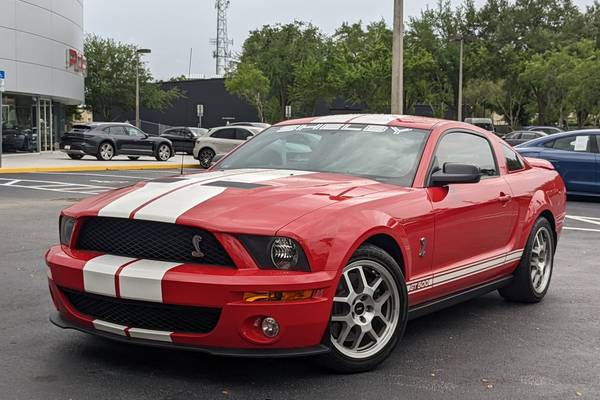
Located in Maitland, FL / 792 miles away from Columbus, OH
Red Stripe Appearance Pkg Leather Seats Rear Spoiler 5.4L 32-Valve Supercharged V8 Engine 6-Speed Tremec Manual Transmission Solid Paint This vehicl...
Accident Free Vehicle: Yes
Personal Use Only: Yes
History Provider: AutoCheck
Title Details: Clean Title
Salvage Vehicle: No
Frame Damage: No
Theft History: No
Lemon Status: No
Free History Report: No
Features and Specs:
16 Combined MPG (14 City/20 Highway)
Listing Information:
VIN: 1ZVHT88S675367820
Stock: 75367820
Certified Pre-Owned: No
Listed since: 04-01-2024
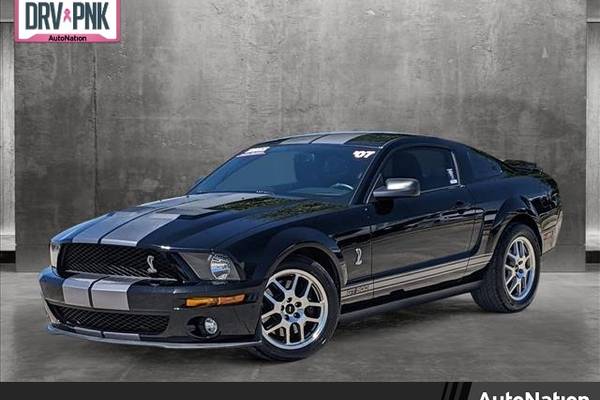
Located in Houston, TX / 1,003 miles away from Columbus, OH
Leather Seats Rear Spoiler 5.4L 32-Valve Supercharged V8 Engine Solid Paint This vehicle includes a Money-Back Guarantee* and passed our precise ins...
Accident Free Vehicle: No
Personal Use Only: Yes
History Provider: AutoCheck
Title Details: Clean Title
Salvage Vehicle: No
Frame Damage: No
Theft History: No
Lemon Status: No
Free History Report: No
Features and Specs:
16 Combined MPG (14 City/20 Highway)
Listing Information:
VIN: 1ZVHT88S375367726
Stock: 75367726
Certified Pre-Owned: No
Listed since: 03-28-2024
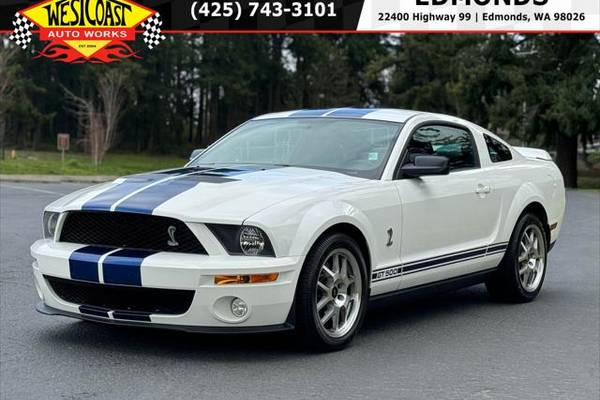
Located in Edmonds, WA / 2,013 miles away from Columbus, OH
2007 FORD SHELBY GT500 ** 21k MILES - SVT SUPRCHARGED V8 - 6-SPEED MANUAL ** VIN: 1ZVHT88S675251811 Body: 2 DOOR COUPE Engine: 5.4L Supercharged ...
Accident Free Vehicle: Yes
Personal Use Only: Yes
History Provider: AutoCheck
Title Details: Clean Title
Salvage Vehicle: No
Frame Damage: No
Theft History: No
Lemon Status: No
Free History Report: No
Features and Specs:
16 Combined MPG (14 City/20 Highway)
Listing Information:
VIN: 1ZVHT88S675251811
Stock: 10338
Certified Pre-Owned: No
Listed since: 03-21-2024
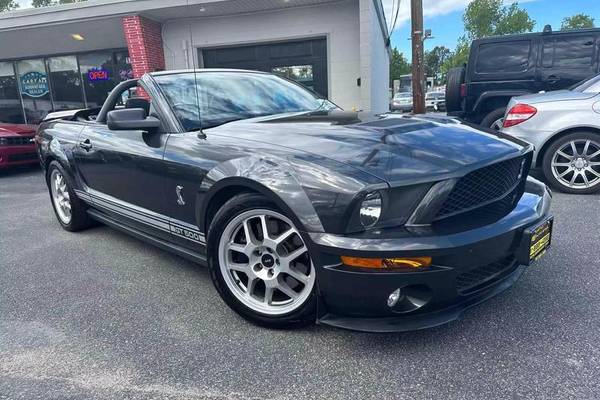
Located in Virginia Beach, VA / 431 miles away from Columbus, OH
Rare and exciting 2007 Ford Mustang Shelby GT500 Cobra Convertible 2D! With low mileage and an impressive performance, this Mustang is a collector's d...
Accident Free Vehicle: Yes
Personal Use Only: Yes
History Provider: AutoCheck
Title Details: Clean Title
Salvage Vehicle: No
Frame Damage: No
Theft History: No
Lemon Status: No
Free History Report: No
Features and Specs:
16 Combined MPG (14 City/20 Highway)
Listing Information:
VIN: 1ZVHT89S975264261
Stock: 6776
Certified Pre-Owned: No

Located in Mesa, AZ / 1,656 miles away from Columbus, OH
TRADES WELCOME! THE BEST FINANCING AVAILABLE CREDIT UNION DIRECT LENDING MAJOR CREDIT CARDS ACCEPTED
Accident Free Vehicle: Yes
Personal Use Only: Yes
History Provider: AutoCheck
Title Details: Clean Title
Salvage Vehicle: No
Frame Damage: No
Theft History: No
Lemon Status: No
Free History Report: No
Features and Specs:
16 Combined MPG (14 City/20 Highway)
Listing Information:
VIN: 1ZVHT88S175271609
Stock: 271609
Certified Pre-Owned: No
Listed since: 02-28-2024
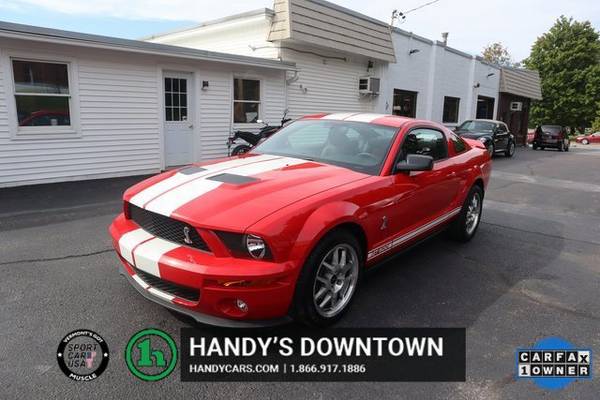
Located in Saint Albans, VT / 598 miles away from Columbus, OH
Odometer is 12430 miles below market average! CARFAX One-Owner. 4-Wheel Disc Brakes, 8 Speakers, Alloy wheels, Aluminum Pedal Covers, AM/FM radio, Ele...
Accident Free Vehicle: Yes
Personal Use Only: Yes
History Provider: AutoCheck
Title Details: Clean Title
Salvage Vehicle: No
Frame Damage: No
Theft History: No
Lemon Status: No
Free History Report: No
Features and Specs:
16 Combined MPG (14 City/20 Highway)
Listing Information:
VIN: 1ZVHT88S975202053
Stock: 43625A
Certified Pre-Owned: No
Listed since: 09-13-2023
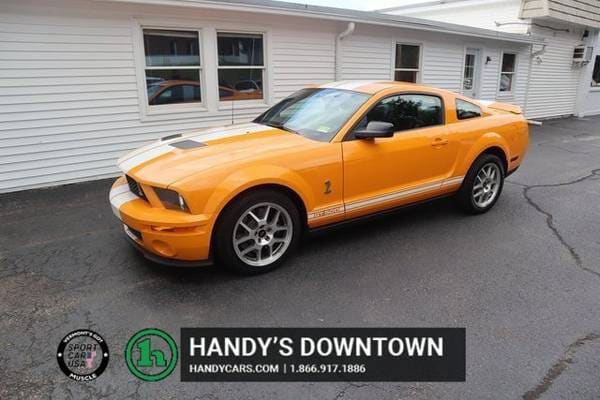
Located in Saint Albans, VT / 598 miles away from Columbus, OH
CARFAX One-Owner. 18' x 9.5' Bright Machined Aluminum Wheels, 4-Wheel Disc Brakes, 8 Speakers, Aluminum Pedal Covers, Electrochromic Rear-View Mirror ...
Accident Free Vehicle: Yes
Personal Use Only: Yes
History Provider: AutoCheck
Title Details: Clean Title
Salvage Vehicle: No
Frame Damage: No
Theft History: No
Lemon Status: No
Free History Report: No
Features and Specs:
16 Combined MPG (14 City/20 Highway)
Listing Information:
VIN: 1ZVHT88S975314979
Stock: 43420A
Certified Pre-Owned: No
Listed since: 08-10-2023

Located in Columbia, TN / 380 miles away from Columbus, OH
5.4L V8 DOHC Supercharged 5.4L V8 DOHC Supercharged. Clean CARFAX. Odometer is 19932 miles below market average! www.robertstoyota.com (931)388-3006...
Accident Free Vehicle: Yes
Personal Use Only: Yes
History Provider: AutoCheck
Title Details: Clean Title
Salvage Vehicle: No
Frame Damage: No
Theft History: No
Lemon Status: No
Free History Report: No
Features and Specs:
16 Combined MPG (14 City/20 Highway)
Listing Information:
VIN: 1ZVHT89S375232907
Stock: P94101
Certified Pre-Owned: No
Listed since: 04-19-2024
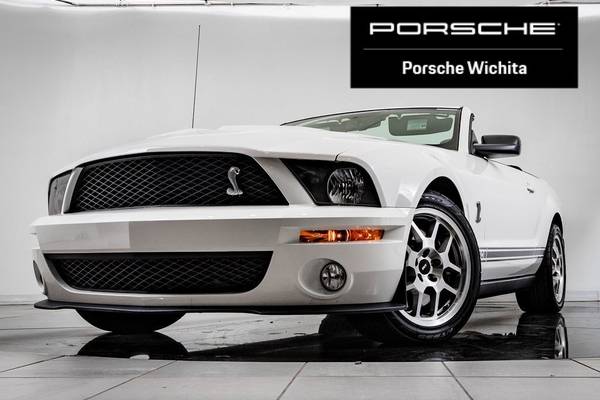
Located in Wichita, KS / 788 miles away from Columbus, OH
2007 Ford Mustang Shelby GT 500, located at Porsche Wichita. Original MSRP $46,500. White and Black interior. This 1-owner Ford Mustang Shelby GT 500 ...
Accident Free Vehicle: Yes
Personal Use Only: Yes
History Provider: AutoCheck
Title Details: Clean Title
Salvage Vehicle: No
Frame Damage: No
Theft History: No
Lemon Status: No
Free History Report: No
Features and Specs:
16 Combined MPG (14 City/20 Highway)
Listing Information:
VIN: 1ZVHT89S275261430
Stock: 14CO283P
Certified Pre-Owned: No
Listed since: 02-10-2024

Located in Houston, TX / 1,008 miles away from Columbus, OH
Have a look at this One Owner, Super Low Miles, Excellent Condition, Collectable, Adult Owned, Garage Kept, & Non Smoker 2007 Ford Mustang Shelby GT50...
Accident Free Vehicle: Yes
Personal Use Only: Yes
History Provider: AutoCheck
Title Details: Clean Title
Salvage Vehicle: No
Frame Damage: No
Theft History: No
Lemon Status: No
Free History Report: No
Features and Specs:
16 Combined MPG (14 City/20 Highway)
Listing Information:
VIN: 1ZVHT88S075359924
Stock: 359924-ACAX
Certified Pre-Owned: No

Located in Norton, OH / 95 miles away from Columbus, OH
POWER DRIVERS SEAT, SPORT BUCKET SEATS WITH EMBOSSED COBRA LOGO, LEMANS TOP STRIPES, GT500 SIDE STRIPES, REAR DECKLID SPOILER, FOG LAMPS, Mustang Shel...
Accident Free Vehicle: Yes
Personal Use Only: Yes
History Provider: AutoCheck
Title Details: Clean Title
Salvage Vehicle: No
Frame Damage: No
Theft History: No
Lemon Status: No
Free History Report: No
Features and Specs:
16 Combined MPG (14 City/20 Highway)
Listing Information:
VIN: 1ZVHT88S775312096
Stock: 33985P
Certified Pre-Owned: No
Listed since: 04-16-2024
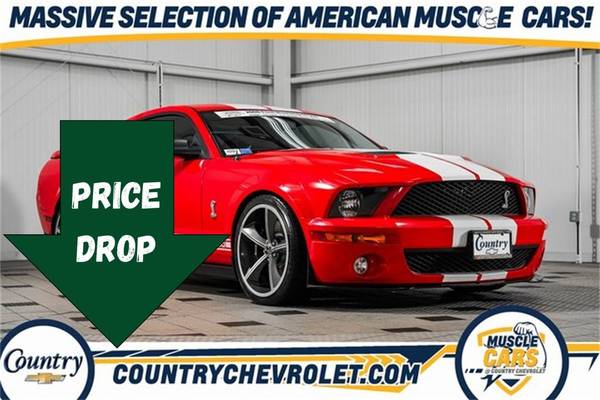
Located in Warrenton, VA / 285 miles away from Columbus, OH
2008 Ford Mustang Shelby GT500 Torch Red Clearcoat RWD 5.4L V8 DOHC Supercharged Tremec 6-Speed Manual 5.4L V8 DOHC Supercharged, Leather Sport Bucket...
Accident Free Vehicle: Yes
Personal Use Only: Yes
History Provider: AutoCheck
Title Details: Clean Title
Salvage Vehicle: No
Frame Damage: No
Theft History: No
Lemon Status: No
Free History Report: No
Features and Specs:
16 Combined MPG (14 City/20 Highway)
Listing Information:
VIN: 1ZVHT88S685183575
Stock: P7432
Certified Pre-Owned: No
Listed since: 03-14-2024

Located in Indiana, PA / 199 miles away from Columbus, OH
For sale is a Black/Black Shelby GT500 with only 8k miles on it! The black paint on this Mustang is in excellent shape as well as the black/red leathe...
Accident Free Vehicle: Yes
Personal Use Only: Yes
History Provider: AutoCheck
Title Details: Clean Title
Salvage Vehicle: No
Frame Damage: No
Theft History: No
Lemon Status: No
Free History Report: No
Features and Specs:
16 Combined MPG (14 City/20 Highway)
Listing Information:
VIN: 1ZVHT88S685119178
Stock: 119178I
Certified Pre-Owned: No

Located in Edmonds, WA / 2,013 miles away from Columbus, OH
2007 FORD SHELBY GT500 *** 6-Speed Manual - Supercharged V8 *** 115k Miles VIN: 1ZVHT89S975249324 CONVERTIBLE 5.4L V8 F GASOLINE REAR WHEEL DRI...
Accident Free Vehicle: Yes
Personal Use Only: Yes
History Provider: AutoCheck
Title Details: Clean Title
Salvage Vehicle: No
Frame Damage: No
Theft History: No
Lemon Status: No
Free History Report: No
Features and Specs:
16 Combined MPG (14 City/20 Highway)
Listing Information:
VIN: 1ZVHT89S975249324
Stock: 10495
Certified Pre-Owned: No
Listed since: 04-11-2024
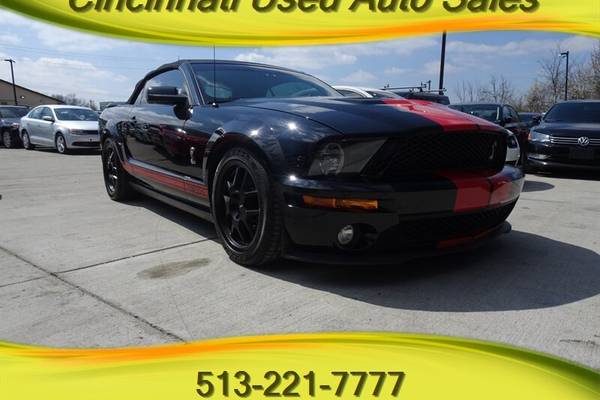
Located in Cincinnati, OH / 103 miles away from Columbus, OH
This 2008 Ford Shelby GT500 5.4L Supercharged V8 RWD is a high-performance vehicle with a 5.4L Supercharged V8 engine that generates 500hp and 480ft. ...
Accident Free Vehicle: Yes
Personal Use Only: Yes
History Provider: AutoCheck
Title Details: Clean Title
Salvage Vehicle: No
Frame Damage: No
Theft History: No
Lemon Status: No
Free History Report: No
Features and Specs:
16 Combined MPG (14 City/20 Highway)
Listing Information:
VIN: 1ZVHT89S885168574
Stock: 1339
Certified Pre-Owned: No

Located in Wichita, KS / 788 miles away from Columbus, OH
2008 Ford Mustang Shelby GT500, located at Porsche Wichita. Original MSRP $49,965. Black Clearcoat with Black Leather interior. This Ford Mustang Shel...
Accident Free Vehicle: Yes
Personal Use Only: Yes
History Provider: AutoCheck
Title Details: Clean Title
Salvage Vehicle: No
Frame Damage: No
Theft History: No
Lemon Status: No
Free History Report: No
Features and Specs:
16 Combined MPG (14 City/20 Highway)
Listing Information:
VIN: 1ZVHT89S385122523
Stock: 14CP376P
Certified Pre-Owned: No
Listed since: 03-15-2024
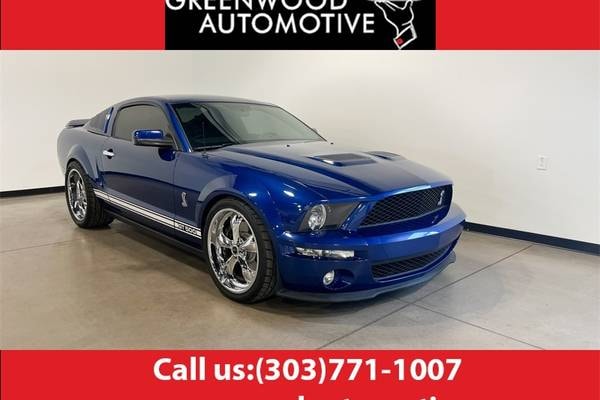
Located in Parker, CO / 1,161 miles away from Columbus, OH
Modified Shelby Super Snake Tribute 800HP to the wheels on 91 octane. Modification list: 3.2 Kenny Bell Mammoth kit (chrome), Ford chrome valve covers...
Accident Free Vehicle: Yes
Personal Use Only: Yes
History Provider: AutoCheck
Title Details: Clean Title
Salvage Vehicle: No
Frame Damage: No
Theft History: No
Lemon Status: No
Free History Report: No
Features and Specs:
16 Combined MPG (14 City/20 Highway)
Listing Information:
VIN: 1ZVHT88S285196114
Stock: P196114
Certified Pre-Owned: No
Listed since: 03-08-2023
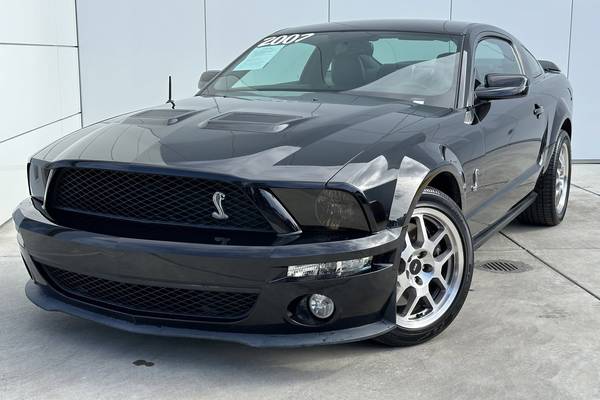
Located in Colma, CA / 2,120 miles away from Columbus, OH
Come see this 2007 Ford Mustang Shelby GT500. Its Manual transmission and Supercharged Gas V8 5.4L/330 engine will keep you going. This Ford Mustang c...
Accident Free Vehicle: Yes
Personal Use Only: Yes
History Provider: AutoCheck
Title Details: Clean Title
Salvage Vehicle: No
Frame Damage: No
Theft History: No
Lemon Status: No
Free History Report: No
Features and Specs:
16 Combined MPG (14 City/20 Highway)
Listing Information:
VIN: 1ZVHT88S675260329
Stock: 07FRD0091U
Certified Pre-Owned: No
Listed since: 11-26-2023
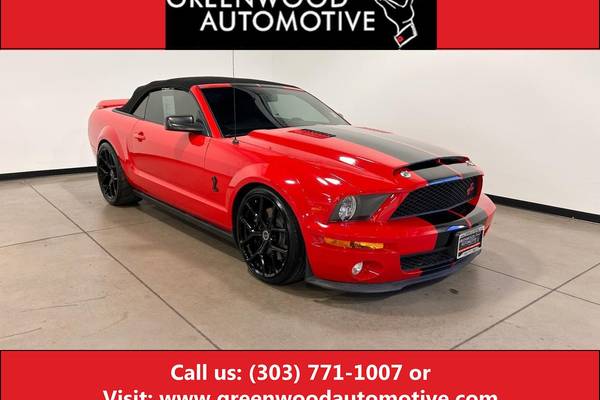
Located in Parker, CO / 1,161 miles away from Columbus, OH
CLEAN CARFAX HISTORY!! DVD BASED NAVIGATION $1995.00, SIRIUS SAT RADIO $195.00, HID HEADLAMPS $525.00, GT500 PREMIUM TRIM $500.00, BREMBO BRAKES, REMO...
Accident Free Vehicle: Yes
Personal Use Only: Yes
History Provider: AutoCheck
Title Details: Clean Title
Salvage Vehicle: No
Frame Damage: No
Theft History: No
Lemon Status: No
Free History Report: No
Features and Specs:
16 Combined MPG (14 City/20 Highway)
Listing Information:
VIN: 1ZVHT89S285187136
Stock: T187136
Certified Pre-Owned: No
Listed since: 08-12-2023

Located in Lakeville, MN / 617 miles away from Columbus, OH
* We price cars, not people. Everyone qualifies for the Unconditional Retail Price, regardless of other vehicles owned/leased in household, or whether...
Accident Free Vehicle: Yes
Personal Use Only: Yes
History Provider: AutoCheck
Title Details: Clean Title
Salvage Vehicle: No
Frame Damage: No
Theft History: No
Lemon Status: No
Free History Report: No
Features and Specs:
16 Combined MPG (14 City/20 Highway)
Listing Information:
VIN: 1ZVHT89S575221231
Stock: C407010I
Certified Pre-Owned: No
Listed since: 02-27-2024

Located in Everett, WA / 2,008 miles away from Columbus, OH
ONLY 9,300 ORIGINAL MILES!! Clean Title - Clean Carfax SHELBY GT500 IMMACULATE CONDITION ALL TRADES ARE WELCOME FINANCING AVAILABLE Read More
Accident Free Vehicle: Yes
Personal Use Only: Yes
History Provider: AutoCheck
Title Details: Clean Title
Salvage Vehicle: No
Frame Damage: No
Theft History: No
Lemon Status: No
Free History Report: No
Features and Specs:
16 Combined MPG (14 City/20 Highway)
Listing Information:
VIN: 1ZVHT88S475264296
Stock: 264296
Certified Pre-Owned: No
Listed since: 03-06-2024