Skip to FiltersReport abuse
318 listings
- New Listing
- 94,958 miles
- 27 City / 34 Hwy MPG
- Carvana (In-stock online)
- Delivery available*
Close
Located in Houston, TX / 182 miles away from San Antonio, TX
At Carvana, we go miles beyond the extra mile. That's why we provide you with a convenient, fast, and hassle-free car buying experience that puts you ...
AutoCheck Vehicle History Summary Unavailable.
Features and Specs:
30 Combined MPG (27 City/34 Highway)
Listing Information:
VIN: JA32U2FU4HU004140
Stock: 2003839198
Certified Pre-Owned: No
Listed since: 07-09-2025 - $3,999great price$1,132 below market
- 161,719 miles
- No accidents, 4 owners, personal use only
- 22 City / 29 Hwy MPG
- Inside Car Guys (Thousand Oaks, CA)
Close
Located in Thousand Oaks, CA / 1,235 miles away from San Antonio, TX
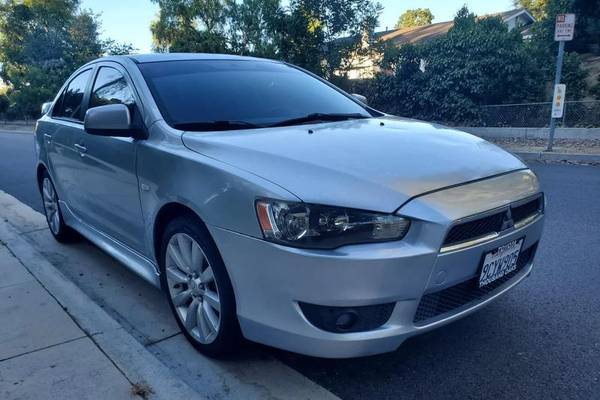
?? 2010 Mitsubishi Lancer GTS - Sporty Style Meets Everyday PracticalityThe 2010 Mitsubishi Lancer GTS blends sporty design with everyday functionalit...
AutoCheck Vehicle History Summary
Accident Free Vehicle: Yes
Personal Use Only: Yes
History Provider: AutoCheck
Title Details: Clean Title
Salvage Vehicle: No
Frame Damage: No
Theft History: No
Lemon Status: No
Free History Report: No
Features and Specs:
25 Combined MPG (22 City/29 Highway)
Listing Information:
VIN: JA32U8FW8AU029116
Stock: 339
Certified Pre-Owned: No - Price Drop$8,000good price$2,541 below market
- 96,385 miles
- 1 accident, 2 owners, corporate fleet vehicle
- 27 City / 34 Hwy MPG
- Corwin Chrysler Dodge Jeep Ram (Fargo, ND)
Close
Located in Fargo, ND / 1,207 miles away from San Antonio, TX
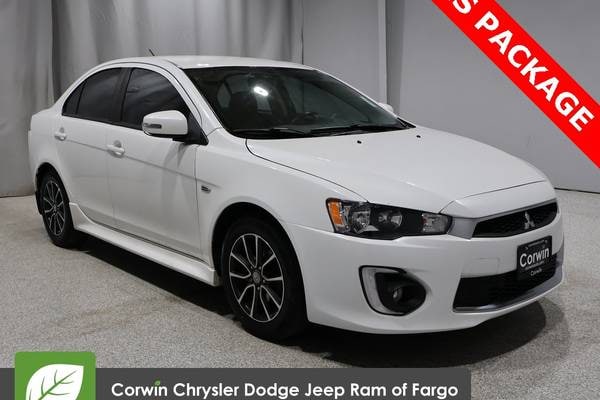
RED HOT SUMMER AUGUST DEALS @ CHRYSLER DODGE JEEP RAM OF FARGO!! OFFERING GREAT SAVINGS ON OUR PRE-OWNED VEHICLES AVAILABLE!!WE HAVE ONE OF THE LARGES...
AutoCheck Vehicle History Summary
Accident Free Vehicle: No
Personal Use Only: No
History Provider: AutoCheck
Title Details: Clean Title
Salvage Vehicle: No
Frame Damage: No
Theft History: No
Lemon Status: No
Free History Report: No
Features and Specs:
30 Combined MPG (27 City/34 Highway)
Listing Information:
VIN: JA32U2FU3HU008647
Stock: 4008647
Certified Pre-Owned: No
Listed since: 07-08-2025 Appraise
my carGet the Edmunds appraisal report and a no-obligation offer for your car
See my car’s value
- $6,991fair price$657 below market
- 117,112 miles
- No accidents, 2 owners, personal use only
- 25 City / 33 Hwy MPG
- Auto Fair (West Haven, CT)
Close
Located in West Haven, CT / 1,649 miles away from San Antonio, TX
2011 Mitsubishi Lancer ES Sedan: CERTIFIED VEHICLE W/ 90 DAY GWC POWERTRAIN WARRANTY INCLUDED!! This 2011 Lancer ES by Mitsubishi is a Sharp Looking S...
AutoCheck Vehicle History Summary
Accident Free Vehicle: Yes
Personal Use Only: Yes
History Provider: AutoCheck
Title Details: Clean Title
Salvage Vehicle: No
Frame Damage: No
Theft History: No
Lemon Status: No
Free History Report: No
Features and Specs:
28 Combined MPG (25 City/33 Highway)
Listing Information:
VIN: JA32U2FU0BU037840
Stock: 8082
Certified Pre-Owned: No
Listed since: 05-16-2023 - Price Drop$7,450fair price$396 below market
- 84,396 miles
- No accidents, 2 owners, personal use only
- 25 City / 33 Hwy MPG
- Panda Autos (Vienna, VA)
Close
Located in Vienna, VA / 1,379 miles away from San Antonio, TX
Our 2011 Mitsubishi Lancer ES Sedan is:Vehicle Runs Well, Smooth ride, All records in possession, Upgraded stereo, Regularly maintained, Lots of stora...
AutoCheck Vehicle History Summary
Accident Free Vehicle: Yes
Personal Use Only: Yes
History Provider: AutoCheck
Title Details: Clean Title
Salvage Vehicle: No
Frame Damage: No
Theft History: No
Lemon Status: No
Free History Report: No
Features and Specs:
28 Combined MPG (25 City/33 Highway)
Listing Information:
VIN: JA32U2FU3BU031272
Stock: K1272M
Certified Pre-Owned: No - $8,995good price$404 below market
- 103,403 miles
- No accidents, 2 owners, personal use only
- 22 City / 29 Hwy MPG
- Cincinnati Used Auto Sales (Cincinnati, OH)
Close
Located in Cincinnati, OH / 1,048 miles away from San Antonio, TX
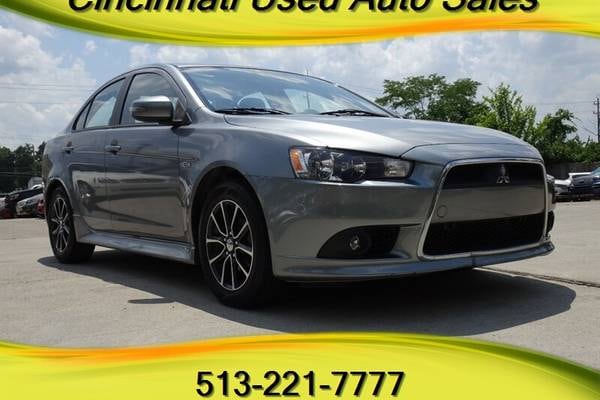
**AWD** The 2015 Mitsubishi Lancer SE boasts a reliable 2.4L I4 engine delivering 168hp and 167ft. lbs. of torque, providing a balanced blend of power...
AutoCheck Vehicle History Summary
Accident Free Vehicle: Yes
Personal Use Only: Yes
History Provider: AutoCheck
Title Details: Clean Title
Salvage Vehicle: No
Frame Damage: No
Theft History: No
Lemon Status: No
Free History Report: No
Features and Specs:
25 Combined MPG (22 City/29 Highway)
Listing Information:
VIN: JA32V2FW8FU004394
Stock: 1853
Certified Pre-Owned: No - $10,777fair price$6 below market
- 93,722 miles
- No accidents, 2 owners, corporate fleet vehicle
- 23 City / 31 Hwy MPG
- Star Auto Mall 512 (Bethlehem, PA)
Close
Located in Bethlehem, PA / 1,516 miles away from San Antonio, TX
Coverage: Our certified vehicles come with a 2 year / 100,000-mile warranty for those 6 years old or newer with under 80,000 miles. This warranty is v...
AutoCheck Vehicle History Summary
Accident Free Vehicle: Yes
Personal Use Only: No
History Provider: AutoCheck
Title Details: Clean Title
Salvage Vehicle: No
Frame Damage: No
Theft History: No
Lemon Status: No
Free History Report: No
Features and Specs:
26 Combined MPG (23 City/31 Highway)
Listing Information:
VIN: JA32V2FW6GU009756
Stock: U10570
Certified Pre-Owned: No
Listed since: 07-31-2025 - $7,988fair price
- 111,242 miles
- 1 accident, 5 owners, corporate fleet vehicle
- 26 City / 34 Hwy MPG
- Manuel Used Cars (North Richland Hills, TX)
Close
Located in North Richland Hills, TX / 247 miles away from San Antonio, TX
AutoCheck Vehicle History Summary
Accident Free Vehicle: No
Personal Use Only: No
History Provider: AutoCheck
Title Details: Clean Title
Salvage Vehicle: No
Frame Damage: No
Theft History: No
Lemon Status: No
Free History Report: No
Features and Specs:
29 Combined MPG (26 City/34 Highway)
Listing Information:
VIN: JA32U2FU2FU011262
Stock: 11262
Certified Pre-Owned: No - $11,995fair price$374 above market
- 53,773 miles
- No accidents, 1 owner, corporate fleet vehicle
- 27 City / 35 Hwy MPG
- Mira Auto Sales (Cincinnati, OH)
Close
Located in Cincinnati, OH / 1,051 miles away from San Antonio, TX
**2016 Mitsubishi Lancer ES** - **Mileage: 53XXX - **Engine: 2.0L I4 - **Title: CLEAN - **Drivetrain: FWD **Features** - **Bluetooth - **Climate Co...
AutoCheck Vehicle History Summary
Accident Free Vehicle: Yes
Personal Use Only: No
History Provider: AutoCheck
Title Details: Clean Title
Salvage Vehicle: No
Frame Damage: No
Theft History: No
Lemon Status: No
Free History Report: No
Features and Specs:
30 Combined MPG (27 City/35 Highway)
Listing Information:
VIN: JA32U2FU3GU009991
Stock: 009991
Certified Pre-Owned: No
Listed since: 10-03-2024 - $5,400fair price$9 below market
- 166,075 miles
- 3 accidents, 6 owners, corporate fleet vehicle
- 26 City / 34 Hwy MPG
- Automay Car Sales (Oklahoma City, OK)
Close
Located in Oklahoma City, OK / 422 miles away from San Antonio, TX
BRING US YOUR TRADE FOR A BETTER CAR! WARRANTY AVAILABLESe habla espa�ol! ????(405) 312-7875?? Call us @ (405)326-6058?? automaycarsales.com- Full Car...
AutoCheck Vehicle History Summary
Accident Free Vehicle: No
Personal Use Only: No
History Provider: AutoCheck
Title Details: Clean Title
Salvage Vehicle: No
Frame Damage: No
Theft History: No
Lemon Status: No
Free History Report: No
Features and Specs:
29 Combined MPG (26 City/34 Highway)
Listing Information:
VIN: JA32U2FUXFU017729
Stock: 26868286
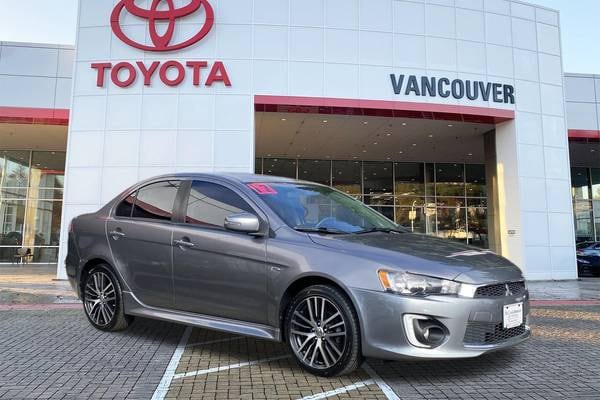
Certified Pre-Owned: No - 49,760 miles
- No accidents, 3 owners, personal use only
- 23 City / 30 Hwy MPG
- Vancouver Toyota (Vancouver, WA)
Close
Located in Vancouver, WA / 1,714 miles away from San Antonio, TX
LOW MILES - 49,760! EPA 30 MPG Hwy/23 MPG City! Heated Seats, Keyless Start, CD Player, Bluetooth, iPod/MP3 Input, Back-Up Camera, 4x4, Alloy Wheels, ...
AutoCheck Vehicle History Summary
Accident Free Vehicle: Yes
Personal Use Only: Yes
History Provider: AutoCheck
Title Details: Clean Title
Salvage Vehicle: No
Frame Damage: No
Theft History: No
Lemon Status: No
Free History Report: No
Features and Specs:
26 Combined MPG (23 City/30 Highway)
Listing Information:
VIN: JA32V2FW8HU009663
Stock: B20551
Certified Pre-Owned: No
Listed since: 07-16-2025- Price Drop
- 124,510 miles
- No accidents, 2 owners, personal use only
- 23 City / 30 Hwy MPG
- Tim Dahle INFINITI (Murray, UT)
Close
Located in Murray, UT / 1,078 miles away from San Antonio, TX
Vehicle will be sold in (AS-IS) Condition Tim Dahle INFINITI is pleased to offer NO PAYMENTS for 60 Days on this 2010 Mitsubishi Lancer DE FWD in W...
AutoCheck Vehicle History Summary
Accident Free Vehicle: Yes
Personal Use Only: Yes
History Provider: AutoCheck
Title Details: Clean Title
Salvage Vehicle: No
Frame Damage: No
Theft History: No
Lemon Status: No
Free History Report: Yes
Features and Specs:
26 Combined MPG (23 City/30 Highway)
Listing Information:
VIN: JA32U1FU9AU003050
Stock: 041251A
Certified Pre-Owned: No
Listed since: 07-12-2025 - 65,077 miles
- No accidents, 1 owner, corporate fleet vehicle
- 27 City / 35 Hwy MPG
- Shelor Motor Mile (Christiansburg, VA)
Close
Located in Christiansburg, VA / 1,175 miles away from San Antonio, TX
Mercury Gray Pearl exterior and Black interior. Smart Device Integration, CD Player, iPod/MP3 Input, Aluminum Wheels, Bluetooth®, New Brakes. CLICK NO...
AutoCheck Vehicle History Summary
Accident Free Vehicle: Yes
Personal Use Only: No
History Provider: AutoCheck
Title Details: Clean Title
Salvage Vehicle: No
Frame Damage: No
Theft History: No
Lemon Status: No
Free History Report: No
Features and Specs:
30 Combined MPG (27 City/35 Highway)
Listing Information:
VIN: JA32U2FU2GU011750
Stock: X69937
Certified Pre-Owned: No
Listed since: 07-11-2025- Price Drop$15,195fair price$2,210 above market
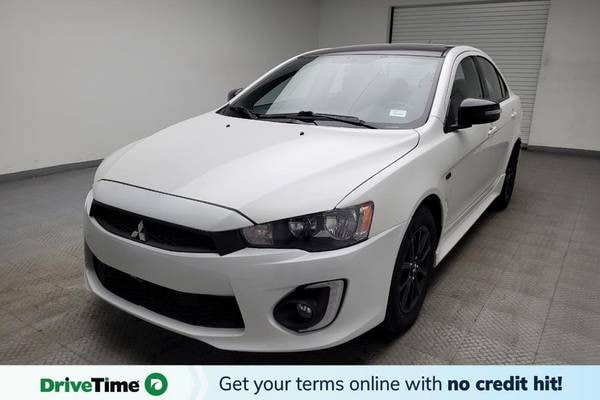
- 98,218 miles
- 2 accidents, 2 owners, personal use only
- 27 City / 34 Hwy MPG
- Eastpointe DriveTime (Eastpointe, MI)
Close
Located in Eastpointe, MI / 1,250 miles away from San Antonio, TX
Shop at DriveTime: Get started on your personalized car-buying journey today. With no credit impact, you can get approved for your real, personalized ...
AutoCheck Vehicle History Summary
Accident Free Vehicle: No
Personal Use Only: Yes
History Provider: AutoCheck
Title Details: Clean Title
Salvage Vehicle: No
Frame Damage: No
Theft History: No
Lemon Status: No
Free History Report: No
Features and Specs:
30 Combined MPG (27 City/34 Highway)
Listing Information:
VIN: JA32U2FUXHU015854
Stock: 1740014457
Certified Pre-Owned: No
Listed since: 06-16-2025 - 60,276 miles
- No accidents, 2 owners, corporate fleet vehicle
- 23 City / 30 Hwy MPG
- Beverly Hills Auto Group (Elmont, NY)
Close
Located in Elmont, NY / 1,599 miles away from San Antonio, TX
NO HIDDEN FEES OR CHARGES. SAME PRICE CASH/FINANCE. BE AWARE THAT UNETHICAL DEALERS ADVERTISE FALSE PRICES ONLINE, REQUIRE YOU TO FINANCE IN ORDER TO ...
AutoCheck Vehicle History Summary
Accident Free Vehicle: Yes
Personal Use Only: No
History Provider: AutoCheck
Title Details: Clean Title
Salvage Vehicle: No
Frame Damage: No
Theft History: No
Lemon Status: No
Free History Report: No
Features and Specs:
26 Combined MPG (23 City/30 Highway)
Listing Information:
VIN: JA32V2FW8HU009923
Stock: 8124
Certified Pre-Owned: No
Listed since: 07-05-2025- Price Drop
- 105,630 miles
- 1 accident, 1 owner, personal use only
- 27 City / 34 Hwy MPG
- DriveTime of East Indianapolis (Indianapolis, IN)
Close
Located in Indianapolis, IN / 1,006 miles away from San Antonio, TX
Shop at DriveTime: Get started on your personalized car-buying journey today. With no credit impact, you can get approved for your real, personalized ...
AutoCheck Vehicle History Summary
Accident Free Vehicle: No
Personal Use Only: Yes
History Provider: AutoCheck
Title Details: Clean Title
Salvage Vehicle: No
Frame Damage: No
Theft History: No
Lemon Status: No
Free History Report: No
Features and Specs:
30 Combined MPG (27 City/34 Highway)
Listing Information:
VIN: JA32U2FU0HU012820
Stock: 1770016394
Certified Pre-Owned: No
Listed since: 07-10-2025 - $11,995fair price$214 above market
- 67,163 miles
- 1 accident, 2 owners, rental vehicle
- 27 City / 34 Hwy MPG
- CJ Auto Hawaii (Waipahu, HI)
Close
Located in Waipahu, HI / 3,712 miles away from San Antonio, TX
? Call or text:808-520-7888 ***24/7***Aloha, with years of experience serving in the used car industry, We are committed to looking for high-quality p...
AutoCheck Vehicle History Summary
Accident Free Vehicle: No
Personal Use Only: No
History Provider: AutoCheck
Title Details: Clean Title
Salvage Vehicle: No
Frame Damage: No
Theft History: No
Lemon Status: No
Free History Report: No
Features and Specs:
30 Combined MPG (27 City/34 Highway)
Listing Information:
VIN: JA32U2FU1HU003222
Stock: 17LANCER67K
Certified Pre-Owned: No - 52,555 miles
- 1 accident, 1 owner, personal use only
- 22 City / 31 Hwy MPG, Manual
- Beverly Hills Auto Group (Elmont, NY)
Close
Located in Elmont, NY / 1,599 miles away from San Antonio, TX
NO HIDDEN FEES OR CHARGES. SAME PRICE CASH/FINANCE. BE AWARE THAT UNETHICAL DEALERS ADVERTISE FALSE PRICES ONLINE, REQUIRE YOU TO FINANCE IN ORDER TO ...
AutoCheck Vehicle History Summary
Accident Free Vehicle: No
Personal Use Only: Yes
History Provider: AutoCheck
Title Details: Clean Title
Salvage Vehicle: No
Frame Damage: No
Theft History: No
Lemon Status: No
Free History Report: No
Features and Specs:
25 Combined MPG (22 City/31 Highway)
Listing Information:
VIN: JA32U8FWXGU012794
Stock: 8163
Certified Pre-Owned: No
Listed since: 07-06-2025- 94,434 miles
- No accidents, 5 owners, personal use
- 22 City / 28 Hwy MPG
- The Highline Group (Lowell, MA)
Close
Located in Lowell, MA / 1,760 miles away from San Antonio, TX
Clean CARFAX. 2009 Mitsubishi Lancer ES Black FWD CVT 2.0L 4-Cylinder SMPI DOHC Welcome to High-line Motor Group! Celebrating 30 years of automotive ...
AutoCheck Vehicle History Summary
Accident Free Vehicle: Yes
Personal Use Only: Yes
History Provider: AutoCheck
Title Details: Clean Title
Salvage Vehicle: No
Frame Damage: No
Theft History: No
Lemon Status: No
Free History Report: Yes
Features and Specs:
24 Combined MPG (22 City/28 Highway)
Listing Information:
VIN: JA3AU26U09U004763
Stock: 25-488
Certified Pre-Owned: No- New Listing
- 73,654 miles
- No accidents, 1 owner, personal use only
- 23 City / 31 Hwy MPG
- CarMax (In-stock online)
- Transfer available*
Close
Located in Urbandale, IA / 882 miles away from San Antonio, TX
CarMax values transparency and wants you to love your next car, not settle on it. Certain vehicles may have unrepaired safety recalls. Check nhtsa.gov...
AutoCheck Vehicle History Summary
Accident Free Vehicle: Yes
Personal Use Only: Yes
History Provider: AutoCheck
Title Details: Clean Title
Salvage Vehicle: No
Frame Damage: No
Theft History: No
Lemon Status: No
Free History Report: No
Features and Specs:
26 Combined MPG (23 City/31 Highway)
Listing Information:
VIN: JA32V2FW9GU006429
Stock: 27628071
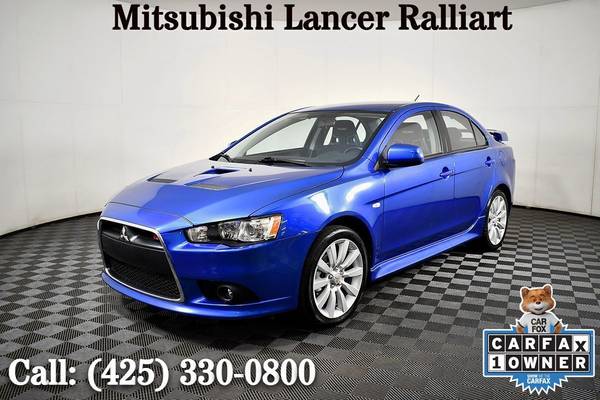
Certified Pre-Owned: No - 63,745 miles
- No accidents, personal use only
- 17 City / 25 Hwy MPG
- Seattle Finest Motors (Lynnwood, WA)
Close
Located in Lynnwood, WA / 1,789 miles away from San Antonio, TX
Rekindle your love of driving in our one owner 2010 Mitsubishi Lancer Ralliart AWD with low miles showcased in Octane Blue Pearl. Powered by a TurboCh...
AutoCheck Vehicle History Summary
Accident Free Vehicle: Yes
Personal Use Only: Yes
History Provider: AutoCheck
Title Details: Clean Title
Salvage Vehicle: No
Frame Damage: No
Theft History: No
Lemon Status: No
Free History Report: No
Features and Specs:
20 Combined MPG (17 City/25 Highway)
Listing Information:
VIN: JA32V6FV0AU604978
Stock: FN604978
Certified Pre-Owned: No
Listed since: 06-03-2025









Showing 1 - 21 out of 318 listings
Consumer Reviews for the Mitsubishi Lancer
Read recent reviews for the Mitsubishi Lancer
Lancer OZ rocks!
Fly-OZ, 04/05/2002
2002 Mitsubishi Lancer
My OZ moves pretty fast. I can take
corners in excess of 40 mph and the
car is very stable. For the amount of
money and the deal I got from
Mitsubishi, I have no complaints about
this car. So, if you're looking for an
inexpensive and fun car to drive or
race, definitely pick the Lancer-OZ.
If you want to learn more about the
Lancers, visit the Lancer forums.
More about the Mitsubishi Lancer
Edmunds has 318 Used Mitsubishi Lancers for sale near you, including a 2010 Lancer GTS Sedan and a 2017 Lancer SE Sedan ranging in price from $3,999 to $20,951.
How much is the used Mitsubishi Lancer?
- There are 318 used Mitsubishi Lancer vehicles for sale near you, with an average cost of $11,915.Edmunds found one or more Great deals on a used Mitsubishi Lancer near you, starting at $3,999.That's $7,916 less than the average price of a used Lancer near you.
Is the used Mitsubishi Lancer a good car?
- The used Mitsubishi Lancer received an average score of 4.5 out of 5 based on 715 consumer reviews at Edmunds. If you want to learn more about the Mitsubishi Lancer, read Edmunds' expert review.
Filters
Skip to ResultsApplied Filters4Active
Make & Model
Year
New / Used
Price & Payments
Price Rating
Trim
Mileage
Accidents & History
Engine & Drivetrain
Exterior Color
Interior Color
Total Seating
Edmunds Review
Features
Options & Packages
MPG
* Delivery of any kind does not apply to Alaska and Hawaii. Contact the dealer for delivery details, restrictions and costs.