Skip to FiltersReport abuse
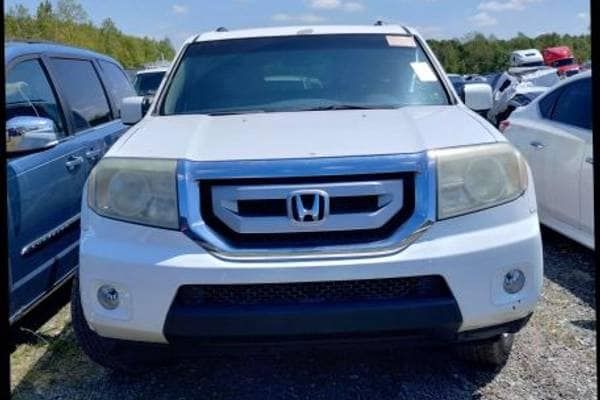
1,827 listings
- 228,842 miles
- Frame damage reported, 3 owners, corporate fleet vehicle
- 8 Seats, 16 City / 22 Hwy MPG
- Ultra Motors (81 mi away)
Close
Located in Lima, OH / 81 miles away from Columbus, OH
AutoCheck Vehicle History Summary
Accident Free Vehicle: No
Personal Use Only: No
History Provider: AutoCheck
Title Details: Issue reported
Salvage Vehicle: No
Frame Damage: Yes
Theft History: No
Lemon Status: No
Free History Report: No
Features and Specs:
18 Combined MPG (16 City/22 Highway)
Listing Information:
VIN: 5FNYF48559B035575
Stock: 035575
Certified Pre-Owned: No- $9,627fair price$154 above market
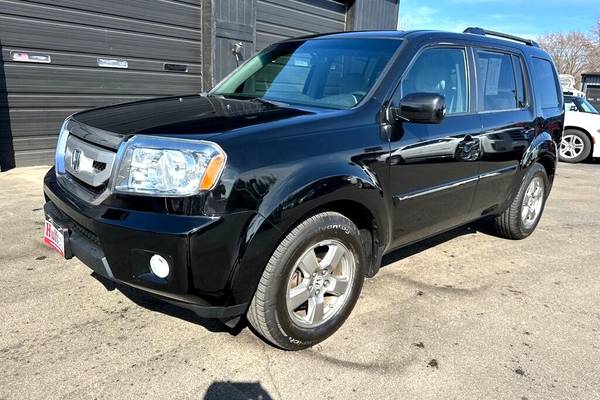
- 162,136 miles
- No accidents, 1 owner, personal use only
- 8 Seats, 16 City / 22 Hwy MPG
- Performance Kings Honda (93 mi away)
Close
Located in Cincinnati, OH / 93 miles away from Columbus, OH
This *2010 Honda Pilot EX* is loaded with convenient features like: Recent Trade, 3rd Row Seat, Alloy-Wheels, Remote Entry, Fog Lamps.This stunning *2...
AutoCheck Vehicle History Summary
Accident Free Vehicle: Yes
Personal Use Only: Yes
History Provider: AutoCheck
Title Details: Clean Title
Salvage Vehicle: No
Frame Damage: No
Theft History: No
Lemon Status: No
Free History Report: No
Features and Specs:
18 Combined MPG (16 City/22 Highway)
Listing Information:
VIN: 5FNYF4H42AB038123
Stock: AB038123A
Certified Pre-Owned: No
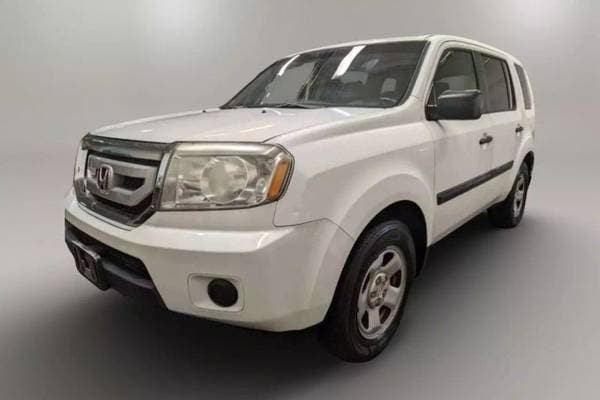
Listed since: 08-12-2025 - $8,995fair price$165 above market
- 152,986 miles
- 1 accident, 2 owners, personal use
- 8 Seats, 16 City / 22 Hwy MPG
- Mira Auto Sales (100 mi away)
Close
Located in Cincinnati, OH / 100 miles away from Columbus, OH
**2010 Honda Pilot EX-L w/DVD** - **Mileage: 152XXX - **Engine: 3.5L V6 - **Title: CLEAN - **Drivetrain: 4x4 **Features** - **Power Sunroof - **Rear...
AutoCheck Vehicle History Summary
Accident Free Vehicle: No
Personal Use Only: Yes
History Provider: AutoCheck
Title Details: Clean Title
Salvage Vehicle: No
Frame Damage: No
Theft History: No
Lemon Status: No
Free History Report: No
Features and Specs:
18 Combined MPG (16 City/22 Highway)
Listing Information:
VIN: 5FNYF4H60AB036095
Stock: 036095
Certified Pre-Owned: No
Listed since: 07-22-2025 Appraise
my carGet the Edmunds appraisal report and a no-obligation offer for your car
See my car’s value
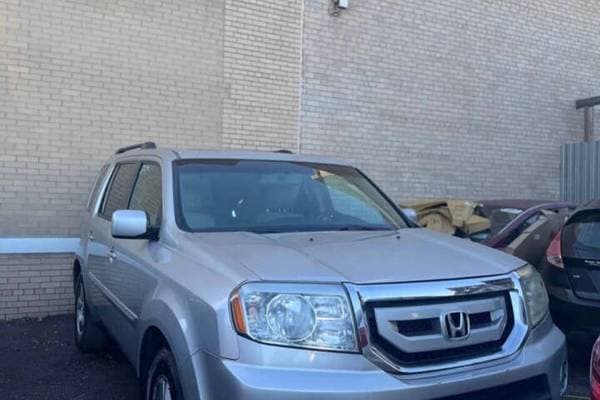
 Photos not available$5,500good price$2,465 below market
- 167,050 miles
- No accidents, 6 owners, personal use
- 8 Seats, 16 City / 22 Hwy MPG
- Fisher Automotive (121 mi away)
Close
Located in Olive Hill, KY / 121 miles away from Columbus, OH
AutoCheck Vehicle History Summary
Accident Free Vehicle: Yes
Personal Use Only: Yes
History Provider: AutoCheck
Title Details: Clean Title
Salvage Vehicle: No
Frame Damage: No
Theft History: No
Lemon Status: No
Free History Report: No
Features and Specs:
18 Combined MPG (16 City/22 Highway)
Listing Information:
VIN: 5FNYF48509B053028
Stock: 25781
Certified Pre-Owned: No
Listed since: 07-18-2025- New Listing$8,499fair price$1,588 below market
- 107,475 miles
- No accidents, 3 owners, personal use only
- 8 Seats, 16 City / 22 Hwy MPG
- The Patriot Auto Group (199 mi away)
Close
Located in Elkhart, IN / 199 miles away from Columbus, OH
AutoCheck Vehicle History Summary
Accident Free Vehicle: Yes
Personal Use Only: Yes
History Provider: AutoCheck
Title Details: Clean Title
Salvage Vehicle: No
Frame Damage: No
Theft History: No
Lemon Status: No
Free History Report: No
Features and Specs:
18 Combined MPG (16 City/22 Highway)
Listing Information:
VIN: 5FNYF48989B026131
Stock: 01865
Certified Pre-Owned: No
Listed since: 02-01-2025 - New Listing$5,953fair price$123 below market
- 253,613 miles
- 1 accident, 2 owners, personal use only
- 8 Seats, 16 City / 22 Hwy MPG
- Jeff Wyler Acura of Fairfield (101 mi away)
Close
Located in Fairfield, OH / 101 miles away from Columbus, OH
AutoCheck Vehicle History Summary
Accident Free Vehicle: No
Personal Use Only: Yes
History Provider: AutoCheck
Title Details: Clean Title
Salvage Vehicle: No
Frame Damage: No
Theft History: No
Lemon Status: No
Free History Report: No
Features and Specs:
18 Combined MPG (16 City/22 Highway)
Listing Information:
VIN: 5FNYF4H46BB021374
Stock: 65T0643
Certified Pre-Owned: No
Listed since: 06-28-2025 - New Listing$3,995fair price$587 above market
- 270,689 miles
- No accidents, 2 owners, personal use only
- 8 Seats, 15 City / 20 Hwy MPG
- Glenn Chrysler Dodge Jeep Ram (183 mi away)
Close
Located in Crestwood, KY / 183 miles away from Columbus, OH
AutoCheck Vehicle History Summary
Accident Free Vehicle: Yes
Personal Use Only: Yes
History Provider: AutoCheck
Title Details: Clean Title
Salvage Vehicle: No
Frame Damage: No
Theft History: No
Lemon Status: No
Free History Report: No
Features and Specs:
17 Combined MPG (15 City/20 Highway)
Listing Information:
VIN: 2HKYF18637H509674
Stock: 554320A
Certified Pre-Owned: No
Listed since: 08-15-2025 - $5,995fair price$78 below market
- 199,000 miles
- 1 accident, 2 owners, personal use only
- 8 Seats, 16 City / 22 Hwy MPG
- Auto Town Used Cars (158 mi away)
Close
Located in Morgantown, WV / 158 miles away from Columbus, OH
For Sale: 2009 Honda Pilot EX-L 4x4 Loaded, Rust-Free, Excellent Condition! Up for sale is a 2009 Honda Pilot EX-L 4x4 in exceptionally clean conditi...
AutoCheck Vehicle History Summary
Accident Free Vehicle: No
Personal Use Only: Yes
History Provider: AutoCheck
Title Details: Clean Title
Salvage Vehicle: No
Frame Damage: No
Theft History: No
Lemon Status: No
Free History Report: No
Features and Specs:
18 Combined MPG (16 City/22 Highway)
Listing Information:
VIN: 5FNYF48629B041875
Stock: 041875
Certified Pre-Owned: No
Listed since: 04-17-2025 - $9,488good price$1,650 below market
- 126,058 miles
- No accidents, 2 owners, personal use only
- 8 Seats, 16 City / 22 Hwy MPG
- Prime Time Auto Financing (166 mi away)
Close
Located in Redford, MI / 166 miles away from Columbus, OH
AutoCheck Vehicle History Summary
Accident Free Vehicle: Yes
Personal Use Only: Yes
History Provider: AutoCheck
Title Details: Clean Title
Salvage Vehicle: No
Frame Damage: No
Theft History: No
Lemon Status: No
Free History Report: No
Features and Specs:
18 Combined MPG (16 City/22 Highway)
Listing Information:
VIN: 5FNYF4H58BB091614
Stock: 091614
Certified Pre-Owned: No - 171,366 miles
- Insurance loss reported, 4 owners, personal use only
- 8 Seats, 16 City / 22 Hwy MPG
- Dan Cummins Ford Lincoln (170 mi away)
Close
Located in Nicholasville, KY / 170 miles away from Columbus, OH
This 2011 Honda Pilot Touring is being offered to you as an alternative to taking to the auction. This vehicle offers plenty of room for you and your ...
AutoCheck Vehicle History Summary
Accident Free Vehicle: Yes
Personal Use Only: Yes
History Provider: AutoCheck
Title Details: Issue reported
Salvage Vehicle: No
Frame Damage: No
Theft History: No
Lemon Status: No
Free History Report: No
Features and Specs:
18 Combined MPG (16 City/22 Highway)
Listing Information:
VIN: 5FNYF4H95BB026304
Stock: 2874
Certified Pre-Owned: No
Listed since: 07-28-2025- 196,046 miles
- No accidents, 3 owners, personal use
- 8 Seats, 16 City / 22 Hwy MPG
- Fisher Automotive (121 mi away)
Close
Located in Olive Hill, KY / 121 miles away from Columbus, OH
AutoCheck Vehicle History Summary
Accident Free Vehicle: Yes
Personal Use Only: Yes
History Provider: AutoCheck
Title Details: Clean Title
Salvage Vehicle: No
Frame Damage: No
Theft History: No
Lemon Status: No
Free History Report: No
Features and Specs:
18 Combined MPG (16 City/22 Highway)
Listing Information:
VIN: 5FNYF48219B013000
Stock: 25614
Certified Pre-Owned: No
Listed since: 06-09-2025- 204,841 miles
- 1 accident, 3 owners, personal use only
- 8 Seats, 16 City / 22 Hwy MPG
- Dover Mazda (80 mi away)
Close
Located in Dover, OH / 80 miles away from Columbus, OH
AutoCheck Vehicle History Summary
Accident Free Vehicle: No
Personal Use Only: Yes
History Provider: AutoCheck
Title Details: Clean Title
Salvage Vehicle: No
Frame Damage: No
Theft History: No
Lemon Status: No
Free History Report: No
Features and Specs:
18 Combined MPG (16 City/22 Highway)
Listing Information:
VIN: 5FNYF48679B054430
Stock: BMT188B
Certified Pre-Owned: No
Listed since: 07-26-2025- New Listing$12,845
- 66,014 miles
- 1 accident, 1 owner, corporate fleet vehicle
- 8 Seats, 16 City / 22 Hwy MPG
- Frontier Motors (87 mi away)
Close
Located in Franklin, OH / 87 miles away from Columbus, OH
AutoCheck Vehicle History Summary
Accident Free Vehicle: No
Personal Use Only: No
History Provider: AutoCheck
Title Details: Clean Title
Salvage Vehicle: No
Frame Damage: No
Theft History: No
Lemon Status: No
Free History Report: No
Features and Specs:
18 Combined MPG (16 City/22 Highway)
Listing Information:
VIN: 5FNYF48209B009214
Stock: P11381
Certified Pre-Owned: No
Listed since: 07-24-2025 - Not Priced
- 178,639 miles
- No accidents, 1 owner, personal use only
- 8 Seats, 16 City / 22 Hwy MPG
- Auto Boutique Ohio (16 mi away)
- Home delivery*
Close
Located in Columbus, OH / 16 miles away from Columbus, OH
*Disclaimer*PRICE LISTED DOES NOT INCLUDE TAX (TAX RATE VARIES DEPENDING ON STATE, CITY, & COUNTY), TITLE ($20), TEMP TAG ($20.50) MEMO-TITLE FOR REGI...
AutoCheck Vehicle History Summary
Accident Free Vehicle: Yes
Personal Use Only: Yes
History Provider: AutoCheck
Title Details: Clean Title
Salvage Vehicle: No
Frame Damage: No
Theft History: No
Lemon Status: No
Free History Report: No
Features and Specs:
18 Combined MPG (16 City/22 Highway)
Listing Information:
VIN: 5FNYF4H53BB049349
Stock: Y2407T
Certified Pre-Owned: No
Listed since: 08-09-2025 - 256,475 miles
- 1 accident, 2 owners, personal use only
- 8 Seats, 16 City / 22 Hwy MPG
- Huff Auto Group (174 mi away)
Close
Located in Jackson, MI / 174 miles away from Columbus, OH
Visit Huff Auto Group online at www.huffautogroup.com to see more pictures of this vehicle or call us at 5**-7**-4*** today to schedule your test...
AutoCheck Vehicle History Summary
Accident Free Vehicle: No
Personal Use Only: Yes
History Provider: AutoCheck
Title Details: Clean Title
Salvage Vehicle: No
Frame Damage: No
Theft History: No
Lemon Status: No
Free History Report: No
Features and Specs:
18 Combined MPG (16 City/22 Highway)
Listing Information:
VIN: 5FNYF484X9B044201
Stock: 9B044201
Certified Pre-Owned: No
Listed since: 03-20-2025- 215,360 miles
- 1 accident, 3 owners, personal use
- 8 Seats, 17 City / 23 Hwy MPG
- Carmel Auto Group (174 mi away)
Close
Located in Indianapolis, IN / 174 miles away from Columbus, OH
AutoCheck Vehicle History Summary
Accident Free Vehicle: No
Personal Use Only: Yes
History Provider: AutoCheck
Title Details: Clean Title
Salvage Vehicle: No
Frame Damage: No
Theft History: No
Lemon Status: No
Free History Report: No
Features and Specs:
19 Combined MPG (17 City/23 Highway)
Listing Information:
VIN: 5FNYF38239B011131
Stock: 12166
Certified Pre-Owned: No
Listed since: 07-21-2025- New Listing$10,000
- 158,646 miles
- 2 accidents, 4 owners, personal use
- 8 Seats, 16 City / 22 Hwy MPG
- Page Toyota (167 mi away)
Close
Located in Southfield, MI / 167 miles away from Columbus, OH
AutoCheck Vehicle History Summary
Accident Free Vehicle: No
Personal Use Only: Yes
History Provider: AutoCheck
Title Details: Clean Title
Salvage Vehicle: No
Frame Damage: No
Theft History: No
Lemon Status: No
Free History Report: No
Features and Specs:
18 Combined MPG (16 City/22 Highway)
Listing Information:
VIN: 5FNYF4H26BB097305
Stock: J9698
Certified Pre-Owned: No
Listed since: 07-11-2025 - New Listing$9,250fair price$580 above market
- 156,226 miles
- No accidents, 3 owners, personal use
- 8 Seats, 17 City / 23 Hwy MPG
- Cleveland Auto Wholesale (133 mi away)
Close
Located in Willowick, OH / 133 miles away from Columbus, OH
AutoCheck Vehicle History Summary
Accident Free Vehicle: Yes
Personal Use Only: Yes
History Provider: AutoCheck
Title Details: Clean Title
Salvage Vehicle: No
Frame Damage: No
Theft History: No
Lemon Status: No
Free History Report: No
Features and Specs:
19 Combined MPG (17 City/23 Highway)
Listing Information:
VIN: 5FNYF3H44BB056540
Stock: 2081
Certified Pre-Owned: No - $8,995fair price$616 above market
- 167,938 miles
- No accidents, 2 owners, personal use only
- 8 Seats, 16 City / 22 Hwy MPG
- Paley Auto Group (13 mi away)
Close
Located in Columbus, OH / 13 miles away from Columbus, OH
AutoCheck Vehicle History Summary
Accident Free Vehicle: Yes
Personal Use Only: Yes
History Provider: AutoCheck
Title Details: Clean Title
Salvage Vehicle: No
Frame Damage: No
Theft History: No
Lemon Status: No
Free History Report: No
Features and Specs:
18 Combined MPG (16 City/22 Highway)
Listing Information:
VIN: 5FNYF4H22BB094188
Stock: 0941885
Certified Pre-Owned: No - $5,900great price$2,221 below market
- 160,249 miles
- No accidents, 3 owners, personal use only
- 8 Seats, 16 City / 22 Hwy MPG
- Best Deal Auto (161 mi away)
Close
Located in Detroit, MI / 161 miles away from Columbus, OH
AutoCheck Vehicle History Summary
Accident Free Vehicle: Yes
Personal Use Only: Yes
History Provider: AutoCheck
Title Details: Clean Title
Salvage Vehicle: No
Frame Damage: No
Theft History: No
Lemon Status: No
Free History Report: No
Features and Specs:
18 Combined MPG (16 City/22 Highway)
Listing Information:
VIN: 5FNYF4H50AB035648
Stock: 035648
Certified Pre-Owned: No
Listed since: 07-12-2025 - $4,290good price$905 below market
- 229,717 miles
- No accidents, 2 owners, personal use only
- 8 Seats, 15 City / 20 Hwy MPG
- Page Toyota (167 mi away)
Close
Located in Southfield, MI / 167 miles away from Columbus, OH
AutoCheck Vehicle History Summary
Accident Free Vehicle: Yes
Personal Use Only: Yes
History Provider: AutoCheck
Title Details: Clean Title
Salvage Vehicle: No
Frame Damage: No
Theft History: No
Lemon Status: No
Free History Report: No
Features and Specs:
17 Combined MPG (15 City/20 Highway)
Listing Information:
VIN: 2HKYF18726H552586
Stock: W9676
Certified Pre-Owned: No
Listed since: 06-26-2025









Showing 1 - 21 out of 1,827 listings
Consumer Reviews for the Honda Pilot
Read recent reviews for the Honda Pilot
No Honda Reliability
vq35de1, 09/29/2014
2009 Honda Pilot EX-L 4dr SUV 4WD (3.5L 6cyl 5A)
This car has a lot going for it, it's comfortable, has tons of interior storage, seats eight comfortably, etc.... BUT, we have had a lack of reliability including a transmission sensor and now the engine. Look into the Honda VCM V6 problems. The cylinder shut off system ends of fouling the plugs leading to a million warning lights and a trip to the dealer. The "fix" is to replace … your plugs or short block depending on how bad things got. There doesn't seem to be a fix, just a band-aid. Now I'm going to have to trade her in way before I planned because once the extended warranty is up I don't want to pay the maintenance.
Update 9/30/2016. I kept the car and the problem has not come back. I think this is only because the car is never in eco mode for long. If you drive a lot of hwy miles you may have more problems.
Sold it after second major engine surgery requiring new piston rings.
Filters
Skip to ResultsApplied Filters4Active
Make & Model
Year
New / Used
Price & Payments
Price Rating
Body Type
Trim
Mileage
Accidents & History
Engine & Drivetrain
Exterior Color
Interior Color
Total Seating
Edmunds Review
Features
Options & Packages
MPG
* Delivery of any kind does not apply to Alaska and Hawaii. Contact the dealer for delivery details, restrictions and costs.