Skip to FiltersReport abuse
10,028 listings
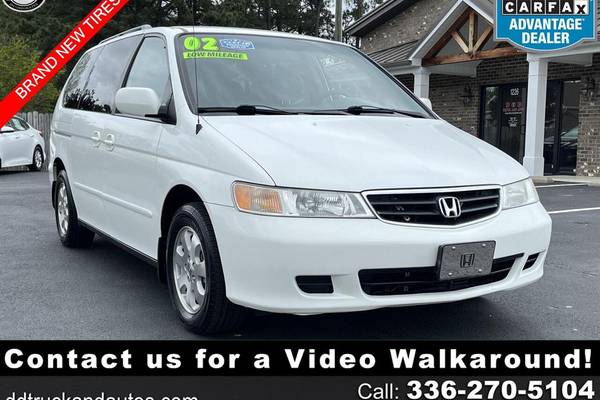
- 104,329 miles
- No accidents, 2 owners, personal use only
- 7 Seats, 16 City / 23 Hwy MPG
- D&D Truck and Auto (Graham, NC)
Close
Located in Graham, NC / 1,201 miles away from San Antonio, TX
Elevate your daily commute with a refreshed perspective behind the wheel of a 2002 Honda Odyssey EX-L w/DVD/Leather in WHITE with 104329 miles.NOW AVA...
AutoCheck Vehicle History Summary
Accident Free Vehicle: Yes
Personal Use Only: Yes
History Provider: AutoCheck
Title Details: Clean Title
Salvage Vehicle: No
Frame Damage: No
Theft History: No
Lemon Status: No
Free History Report: No
Features and Specs:
19 Combined MPG (16 City/23 Highway)
Listing Information:
VIN: 2HKRL180X2H501217
Stock: 13656
Certified Pre-Owned: No- $3,950good price$497 below market
- 153,703 miles
- 1 accident, 2 owners, personal use only
- 7 Seats, 16 City / 23 Hwy MPG
- Johnny's Motors (Fontana, CA)
Close
Located in Fontana, CA / 1,151 miles away from San Antonio, TX
Hello from Johnny’s Motors Inc Team! August is here, and so are the HOTTEST deals of the season! Whether you're looking to upgrade your ride, schedule...
AutoCheck Vehicle History Summary
Accident Free Vehicle: No
Personal Use Only: Yes
History Provider: AutoCheck
Title Details: Clean Title
Salvage Vehicle: No
Frame Damage: No
Theft History: No
Lemon Status: No
Free History Report: No
Features and Specs:
19 Combined MPG (16 City/23 Highway)
Listing Information:
VIN: 5FNRL18613B159807
Stock: 159807
Certified Pre-Owned: No
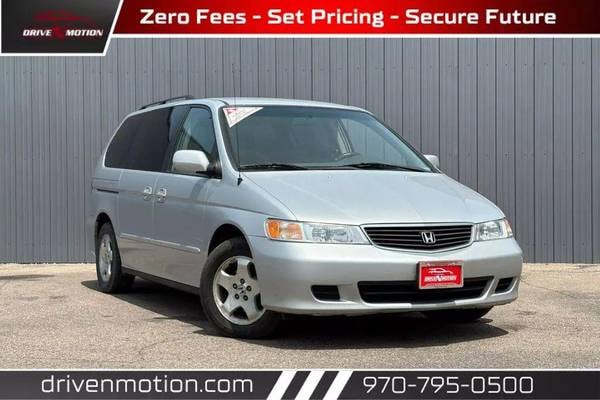
Listed since: 08-18-2025 - 81,869 miles
- No accidents, 1 owner, corporate fleet vehicle
- 7 Seats, 16 City / 23 Hwy MPG
- Drive-N-Motion Greeley (Greeley, CO)
Close
Located in Greeley, CO / 831 miles away from San Antonio, TX
Welcome to the best way to purchase your next vehicle! Drive N-Motion is a ZERO FEES - SET PRICING - SECURE FUTURE Automotive Sales and Service Dealer...
AutoCheck Vehicle History Summary
Accident Free Vehicle: Yes
Personal Use Only: No
History Provider: AutoCheck
Title Details: Clean Title
Salvage Vehicle: No
Frame Damage: No
Theft History: No
Lemon Status: No
Free History Report: No
Features and Specs:
18 Combined MPG (16 City/23 Highway)
Listing Information:
VIN: 2HKRL18631H502437
Stock: C1780AI
Certified Pre-Owned: No
Listed since: 06-04-2025- $2,999great price$726 below market
- 222,675 miles
- 1 accident, 3 owners, corporate fleet vehicle
- 7 Seats, 16 City / 23 Hwy MPG
- 518 Auto Sales (Norfolk, VA)
Close
Located in Norfolk, VA / 1,386 miles away from San Antonio, TX
*150 POINT INSPECTION*, *3 MO 3000 MILE SERVICE CONTRACT ON MOST CARS SEE SALES FOR DETAILS*, *518AUTO.COM*, *CALL ALEX NOW 757-518-1100 FOR BEST DAIL...
AutoCheck Vehicle History Summary
Accident Free Vehicle: No
Personal Use Only: No
History Provider: AutoCheck
Title Details: Clean Title
Salvage Vehicle: No
Frame Damage: No
Theft History: No
Lemon Status: No
Free History Report: No
Features and Specs:
19 Combined MPG (16 City/23 Highway)
Listing Information:
VIN: 5FNRL18624B086285
Stock: 11388
Certified Pre-Owned: No
Listed since: 04-26-2025 - $3,450good price
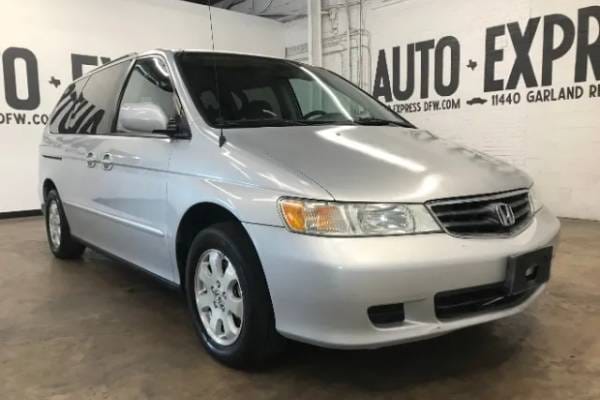
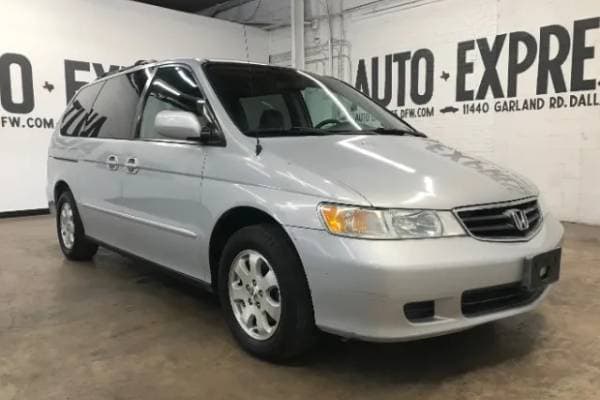
- 155,694 miles
- No accidents, 2 owners, personal use only
- 7 Seats, 16 City / 23 Hwy MPG
- Auto Express (Dallas, TX)
Close
Located in Dallas, TX / 260 miles away from San Antonio, TX
CASH SPECIAL - Runs and Drives with COLD A/C and no check engine lights. Only TWO Previous Owners and Clean Texas Title as seen in the Free CARFAX Ava...
AutoCheck Vehicle History Summary
Accident Free Vehicle: Yes
Personal Use Only: Yes
History Provider: AutoCheck
Title Details: Clean Title
Salvage Vehicle: No
Frame Damage: No
Theft History: No
Lemon Status: No
Free History Report: No
Features and Specs:
19 Combined MPG (16 City/23 Highway)
Listing Information:
VIN: 2HKRL18672H566739
Stock: P25878
Certified Pre-Owned: No
Listed since: 06-29-2025 - $3,799fair price$754 below market
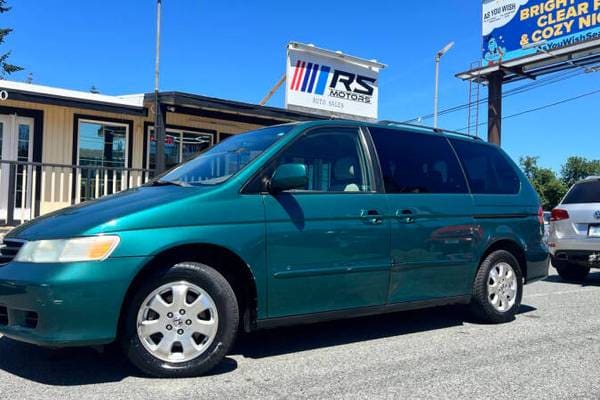
- 159,415 miles
- No accidents, 1 owner, personal use only
- 7 Seats, 16 City / 23 Hwy MPG
- RS Motors (Lynnwood, WA)
Close
Located in Lynnwood, WA / 1,790 miles away from San Antonio, TX
FOR SALE: 2002 Honda Odyssey EX Affordable & Reliable Family Van Price: $3,999 Mileage: 159,415 miles Key Features - 3.5L V6 Engine Smooth and depen...
AutoCheck Vehicle History Summary
Accident Free Vehicle: Yes
Personal Use Only: Yes
History Provider: AutoCheck
Title Details: Clean Title
Salvage Vehicle: No
Frame Damage: No
Theft History: No
Lemon Status: No
Free History Report: No
Features and Specs:
19 Combined MPG (16 City/23 Highway)
Listing Information:
VIN: 2HKRL18692H562322
Stock: 562322
Certified Pre-Owned: No
Listed since: 07-13-2025 - $3,250good price
- 189,670 miles
- No accidents, 3 owners, personal use
- 7 Seats, 16 City / 23 Hwy MPG
- Auto Express (Dallas, TX)
Close
Located in Dallas, TX / 260 miles away from San Antonio, TX
CASH SPECIAL - Runs and Drives with COLD A/C and no check engine lights. Clean Texas Title as seen in the Free CARFAX Available on all of our vehicles...
AutoCheck Vehicle History Summary
Accident Free Vehicle: Yes
Personal Use Only: Yes
History Provider: AutoCheck
Title Details: Clean Title
Salvage Vehicle: No
Frame Damage: No
Theft History: No
Lemon Status: No
Free History Report: No
Features and Specs:
19 Combined MPG (16 City/23 Highway)
Listing Information:
VIN: 5FNRL18622B016671
Stock: P25697
Certified Pre-Owned: No
Listed since: 05-31-2025 - Not Priced
- 197,000 miles
- 1 accident, 3 owners, personal use only
- 7 Seats, 16 City / 23 Hwy MPG
- Delaware Public Auto Auction (New Castle, DE)
Close
Located in New Castle, DE / 1,482 miles away from San Antonio, TX
The Listed Price is for CASH only. If this car is available for financing the price may vary depending on the Bank/Lenders Approval and any upfront fe...
AutoCheck Vehicle History Summary
Accident Free Vehicle: No
Personal Use Only: Yes
History Provider: AutoCheck
Title Details: Clean Title
Salvage Vehicle: No
Frame Damage: No
Theft History: No
Lemon Status: No
Free History Report: No
Features and Specs:
19 Combined MPG (16 City/23 Highway)
Listing Information:
VIN: 5FNRL18662B033943
Stock: 23594
Certified Pre-Owned: No
Listed since: 06-07-2025 - $3,500fair price$558 below market
- 175,421 miles
- 3 accidents, 2 owners, personal use only
- 7 Seats, 16 City / 23 Hwy MPG
- Absolute Auto (Hamilton Township, NJ)
Close
Located in Hamilton Township, NJ / 1,538 miles away from San Antonio, TX
Honda Odyssey EX-L 4dr Mini Van 3 Row Seating Tv Entertainment Leather, Please Contact Us At 6**-9**-7*** With Any Questions And Check Out Our Full In...
AutoCheck Vehicle History Summary
Accident Free Vehicle: No
Personal Use Only: Yes
History Provider: AutoCheck
Title Details: Clean Title
Salvage Vehicle: No
Frame Damage: No
Theft History: No
Lemon Status: No
Free History Report: No
Features and Specs:
19 Combined MPG (16 City/23 Highway)
Listing Information:
VIN: 2HKRL18912H510094
Stock: 510094
Certified Pre-Owned: No
Listed since: 02-08-2025 - $3,999fair price$437 below market
- 167,428 miles
- 2 accidents, 2 owners, personal use only
- 7 Seats, 16 City / 23 Hwy MPG
- Kindred Auto Sales (Lynnwood, WA)
Close
Located in Lynnwood, WA / 1,789 miles away from San Antonio, TX
Visit Kindred Auto Sales online to see more pictures of this vehicle or call us at 4**-9**-3*** today to schedule your test drive.No credit. Bad credi...
AutoCheck Vehicle History Summary
Accident Free Vehicle: No
Personal Use Only: Yes
History Provider: AutoCheck
Title Details: Clean Title
Salvage Vehicle: No
Frame Damage: No
Theft History: No
Lemon Status: No
Free History Report: No
Features and Specs:
19 Combined MPG (16 City/23 Highway)
Listing Information:
VIN: 2HKRL18652H527325
Stock: 2202
Certified Pre-Owned: No
Listed since: 08-01-2025 - $2,900fair price$447 above market
- 239,008 miles
- No accidents, 6 owners, personal use only
- 7 Seats, 16 City / 23 Hwy MPG
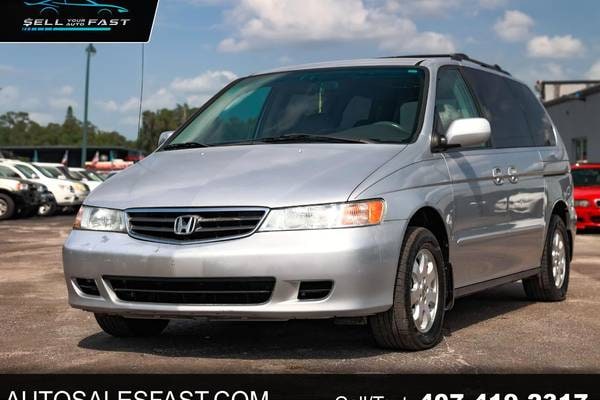
- Sell Your Auto Fast (Orlando, FL)
Close
Located in Orlando, FL / 1,040 miles away from San Antonio, TX
Sell Your Auto Fast Sales 5300 S. Orange Blossom Trail Orlando, FL 32839 4**-4**-2*** Get ready to hit the road in style with this sleek silver 2002 H...
AutoCheck Vehicle History Summary
Accident Free Vehicle: Yes
Personal Use Only: Yes
History Provider: AutoCheck
Title Details: Clean Title
Salvage Vehicle: No
Frame Damage: No
Theft History: No
Lemon Status: No
Free History Report: No
Features and Specs:
19 Combined MPG (16 City/23 Highway)
Listing Information:
VIN: 5FNRL18992B030416
Stock: 12291
Certified Pre-Owned: No
Listed since: 05-30-2025 - $2,900fair price$45 below market
- 269,839 miles
- 1 accident, 4 owners, personal use only
- 7 Seats, 16 City / 23 Hwy MPG
- Car One USA (West Park, FL)
Close
Located in West Park, FL / 1,148 miles away from San Antonio, TX
EVERYONE IS APPROVED! CALL US TODAY (786) 570-1878APROBAMOS TODOS LOS CASOS. LLAMANOS HOY (786) 570-1878We ACCEPT trade-ins, Cars, Boats, Jeskis.ALL c...
AutoCheck Vehicle History Summary
Accident Free Vehicle: No
Personal Use Only: Yes
History Provider: AutoCheck
Title Details: Clean Title
Salvage Vehicle: No
Frame Damage: No
Theft History: No
Lemon Status: No
Free History Report: No
Features and Specs:
19 Combined MPG (16 City/23 Highway)
Listing Information:
VIN: 5FNRL18662B031500
Stock: NEW:031500
Certified Pre-Owned: No - Price Drop
- 207,138 miles
- No accidents, 2 owners, personal use only
- 7 Seats, 16 City / 23 Hwy MPG
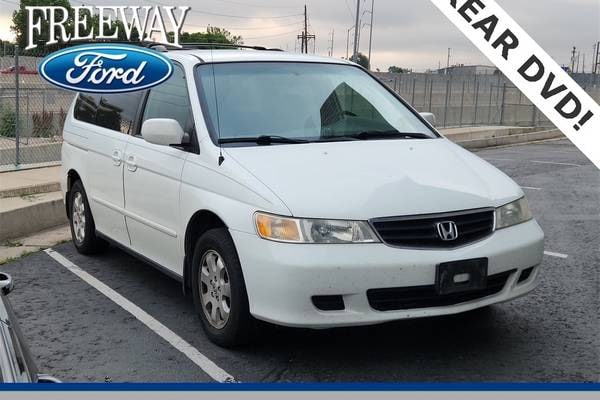
- Freeway Ford (Denver, CO)
Close
Located in Denver, CO / 793 miles away from San Antonio, TX
Recent Arrival!7-PASSENGER ODYSSEY EX-L, REAR DVD ENTERTAINMENT, LEATHER LOADED, 2ND ROW BUCKETS, CLEAN AUTOCHECK, 2-OWNER, EXCELLENT CONDITION! NEW T...
AutoCheck Vehicle History Summary
Accident Free Vehicle: Yes
Personal Use Only: Yes
History Provider: AutoCheck
Title Details: Clean Title
Salvage Vehicle: No
Frame Damage: No
Theft History: No
Lemon Status: No
Free History Report: Yes
Features and Specs:
19 Combined MPG (16 City/23 Highway)
Listing Information:
VIN: 5FNRL18042B016683
Stock: JB7716D
Certified Pre-Owned: No
Listed since: 07-23-2025 - Price Drop
- 155,931 miles
- No accidents, 1 owner, corporate fleet vehicle
- 7 Seats, 16 City / 23 Hwy MPG
- Victory Motors of Colorado (Longmont, CO)
Close
Located in Longmont, CO / 828 miles away from San Antonio, TX
The 2002 Honda Odyssey EX Minivan 4D is a practical and family-friendly vehicle known for its reliability and spacious interior. Powered by a 3.5-lite...
AutoCheck Vehicle History Summary
Accident Free Vehicle: Yes
Personal Use Only: No
History Provider: AutoCheck
Title Details: Clean Title
Salvage Vehicle: No
Frame Damage: No
Theft History: No
Lemon Status: No
Free History Report: No
Features and Specs:
19 Combined MPG (16 City/23 Highway)
Listing Information:
VIN: 5FNRL18082B009624
Stock: L24735
Certified Pre-Owned: No
Listed since: 07-01-2025 - Price Drop
- 226,246 miles
- No accidents, 2 owners, personal use only
- 7 Seats, 16 City / 23 Hwy MPG
- McCarthy Honda (Overland Park, KS)
Close
Located in Overland Park, KS / 695 miles away from San Antonio, TX
Honda Odyssey EXAt McCarthy Honda, proudly serving the Kansas City Metropolitan Area, we’re here to make your car-buying experience smooth, enjoyable,...
AutoCheck Vehicle History Summary
Accident Free Vehicle: Yes
Personal Use Only: Yes
History Provider: AutoCheck
Title Details: Clean Title
Salvage Vehicle: No
Frame Damage: No
Theft History: No
Lemon Status: No
Free History Report: No
Features and Specs:
19 Combined MPG (16 City/23 Highway)
Listing Information:
VIN: 5FNRL18644B030686
Stock: 10509
Certified Pre-Owned: No
Listed since: 08-07-2025 - 132,670 miles
- No accidents, 4 owners, personal use only
- 7 Seats, 16 City / 23 Hwy MPG
- Poole Automotive (Laurinburg, NC)
Close
Located in Laurinburg, NC / 1,171 miles away from San Antonio, TX
2002 HONDA ODYSSEY EX 4 DOOR MINI VAN FEATURES A 3.5L V6 GASOLINE ENGINE WITH 5 SPEED AUTOMATIC TRANSMISSION.AIR CONDITIONING,POWER WINDOWS,POWER DOOR...
AutoCheck Vehicle History Summary
Accident Free Vehicle: Yes
Personal Use Only: Yes
History Provider: AutoCheck
Title Details: Clean Title
Salvage Vehicle: No
Frame Damage: No
Theft History: No
Lemon Status: No
Free History Report: No
Features and Specs:
19 Combined MPG (16 City/23 Highway)
Listing Information:
VIN: 5FNRL18602B003174
Stock: 003174
Certified Pre-Owned: No
Listed since: 07-19-2025- 116,367 miles
- No accidents, 3 owners, personal use only
- 7 Seats, 16 City / 23 Hwy MPG
- Ohio Motors (Cincinnati, OH)
Close
Located in Cincinnati, OH / 1,045 miles away from San Antonio, TX
The 2002 Honda Odyssey EX is a reliable and spacious minivan that offers a comfortable and versatile interior perfect for families on the go. With sea...
AutoCheck Vehicle History Summary
Accident Free Vehicle: Yes
Personal Use Only: Yes
History Provider: AutoCheck
Title Details: Clean Title
Salvage Vehicle: No
Frame Damage: No
Theft History: No
Lemon Status: No
Free History Report: No
Features and Specs:
19 Combined MPG (16 City/23 Highway)
Listing Information:
VIN: 2HKRL18612H515463
Stock: P515463
Certified Pre-Owned: No
Listed since: 06-12-2025- 233,337 miles
- 1 accident, 3 owners, personal use only
- 7 Seats, 16 City / 23 Hwy MPG
- Champion Chevrolet Of Avon (Avon, IN)
Close
Located in Avon, IN / 990 miles away from San Antonio, TX
Bluetooth, Hands-Free connection, Leather Seats, Is a local trade in!, Wholesale To The Public! Vehicles for the person who can take care of minor rep...
AutoCheck Vehicle History Summary
Accident Free Vehicle: No
Personal Use Only: Yes
History Provider: AutoCheck
Title Details: Clean Title
Salvage Vehicle: No
Frame Damage: No
Theft History: No
Lemon Status: No
Free History Report: No
Features and Specs:
19 Combined MPG (16 City/23 Highway)
Listing Information:
VIN: 5FNRL18024B024347
Stock: P1298B
Certified Pre-Owned: No
Listed since: 07-24-2025- New Listing
- 206,785 miles
- 1 accident, 2 owners, personal use
- 7 Seats, 16 City / 23 Hwy MPG
- 231 Car Sales (Lebanon, TN)
Close
Located in Lebanon, TN / 850 miles away from San Antonio, TX
Visit 231 Car Sales Inc. online at www.231cs.com to see more pictures of this vehicle or call or text us at 8**-7**-1*** today to schedule your te...
AutoCheck Vehicle History Summary
Accident Free Vehicle: No
Personal Use Only: Yes
History Provider: AutoCheck
Title Details: Clean Title
Salvage Vehicle: No
Frame Damage: No
Theft History: No
Lemon Status: No
Free History Report: No
Features and Specs:
19 Combined MPG (16 City/23 Highway)
Listing Information:
VIN: 5FNRL18602B006723
Stock: 006723
Certified Pre-Owned: No
Listed since: 08-22-2025 - $4,499great price$1,489 below market
- 140,532 miles
- No accidents, 2 owners, personal use
- 7 Seats, 16 City / 23 Hwy MPG
- RS Motors (Lynnwood, WA)
Close
Located in Lynnwood, WA / 1,790 miles away from San Antonio, TX
FOR SALE: 2003 Honda Odyssey EX-L Family Van with Leather & DVD Entertainment Price: $4,499 Mileage: 140,532 miles Key Features - 3.5L V6 Engine Smo...
AutoCheck Vehicle History Summary
Accident Free Vehicle: Yes
Personal Use Only: Yes
History Provider: AutoCheck
Title Details: Clean Title
Salvage Vehicle: No
Frame Damage: No
Theft History: No
Lemon Status: No
Free History Report: No
Features and Specs:
19 Combined MPG (16 City/23 Highway)
Listing Information:
VIN: 5FNRL18053B099798
Stock: 099798
Certified Pre-Owned: No
Listed since: 07-10-2025 - $2,700great price$1,347 below market
- 183,747 miles
- 2 accidents, 3 owners, personal use only
- 7 Seats, 16 City / 23 Hwy MPG
- Genesis of Council Bluffs (Council Bluffs, IA)
Close
Located in Council Bluffs, IA / 827 miles away from San Antonio, TX
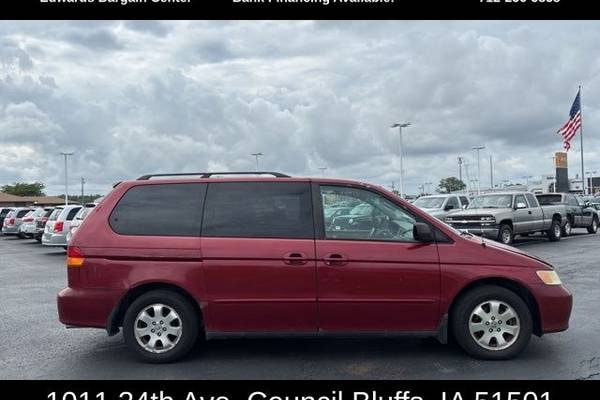
18/25 City/Highway MPG 2003 Odyssey Honda EX-L Red Priced below KBB Fair Purchase Price! FWD 5-Speed Automatic with Overdrive 3.5L V6 SMPI SOHC
AutoCheck Vehicle History Summary
Accident Free Vehicle: No
Personal Use Only: Yes
History Provider: AutoCheck
Title Details: Clean Title
Salvage Vehicle: No
Frame Damage: No
Theft History: No
Lemon Status: No
Free History Report: No
Features and Specs:
19 Combined MPG (16 City/23 Highway)
Listing Information:
VIN: 5FNRL18983B127561
Stock: Z48653C
Certified Pre-Owned: No
Listed since: 07-19-2025










Showing 1 - 21 out of 10,028 listings
Consumer Reviews for the Honda Odyssey
Read recent reviews for the Honda Odyssey
Clipped by independent car dealer
Basil, 11/18/2015
2002 Honda Odyssey EX-L 4dr Minivan (3.5L 6cyl 5A)
#1 check trans fluid. Pull dipstick and wipe on white paper towel. If fluid is black or otherwise not red, avoid the car because it needs a new torque converter.
That is expensive. Otherwise, it is a comfortable, easy to drive car.
Transmission was replaced, cost about double that for an American car. Power steering pump then failed and was replaced. Fluid leakage then increased … and power steering rack had to be replaced. I am not very pleased with this car. It is expensive to maintain, much worse than expected
Filters
Skip to Results