Skip to FiltersReport abuse
229 listings
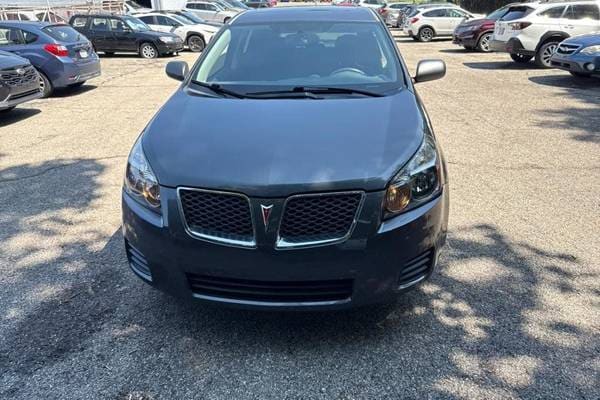
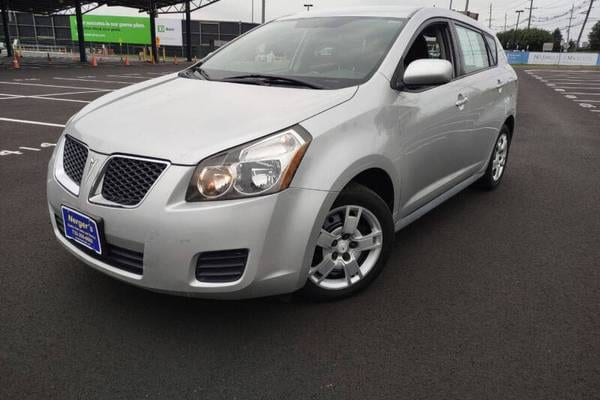
- $3,950great price$2,114 below market
- 175,140 miles
- 1 accident, 2 owners, personal use only
- 21 City / 28 Hwy MPG
- Woodbridge Public Auto Auction (Woodbridge, VA)
Close
Located in Woodbridge, VA / 314 miles away from Columbus, OH
KEY FEATURES AND OPTIONS This Pontiac Vibe comes equipped with: Clock, Tachometer, Power Steering, Power Mirrors, Driver Airbag, ABS Brakes, Passenger...
AutoCheck Vehicle History Summary
Accident Free Vehicle: No
Personal Use Only: Yes
History Provider: AutoCheck
Title Details: Clean Title
Salvage Vehicle: No
Frame Damage: No
Theft History: No
Lemon Status: No
Free History Report: No
Features and Specs:
24 Combined MPG (21 City/28 Highway)
Listing Information:
VIN: 5Y2SP67079Z421168
Stock: 144647
Certified Pre-Owned: No
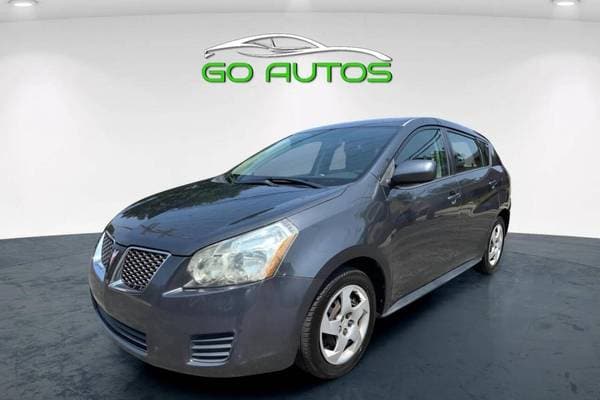
Listed since: 07-26-2025 - $5,295good price$1,866 below market
- 139,427 miles
- No accidents, 1 owner, personal use only
- 26 City / 32 Hwy MPG
- Go Autos (Skokie, IL)
Close
Located in Skokie, IL / 290 miles away from Columbus, OH
The 2009 Pontiac Vibe 1.8L 4dr Wagon with a 4-speed automatic transmission is the base model. It's a versatile compact wagon that offers a blend of ca...
AutoCheck Vehicle History Summary
Accident Free Vehicle: Yes
Personal Use Only: Yes
History Provider: AutoCheck
Title Details: Clean Title
Salvage Vehicle: No
Frame Damage: No
Theft History: No
Lemon Status: No
Free History Report: No
Features and Specs:
28 Combined MPG (26 City/32 Highway)
Listing Information:
VIN: 5Y2SP67879Z472398
Stock: GA-472398
Certified Pre-Owned: No
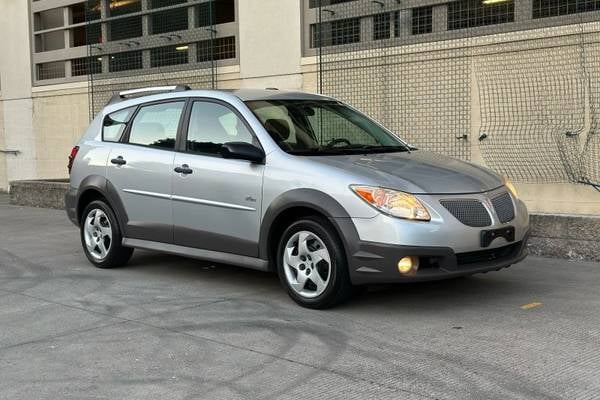
Listed since: 07-14-2025 - Price Drop
- 111,183 miles
- No accidents, 2 owners, personal use only
- 21 City / 28 Hwy MPG
- Driveway (In-stock online)
- Delivery available*
Close
Located in Bellevue, WA / 2,003 miles away from Columbus, OH
Low Mileage,Rare Find,Premium Sound,Satellite Radio,Sunroof / Moonroof,5-Speed A/T,Power Door Locks,Satellite Radio,Floor Mats,Front Wheel Drive,Gasol...
AutoCheck Vehicle History Summary
Accident Free Vehicle: Yes
Personal Use Only: Yes
History Provider: AutoCheck
Title Details: Clean Title
Salvage Vehicle: No
Frame Damage: No
Theft History: No
Lemon Status: No
Free History Report: No
Features and Specs:
24 Combined MPG (21 City/28 Highway)
Listing Information:
VIN: 5Y2SR67019Z426571
Stock: 9Z426571A
Certified Pre-Owned: No - Price Drop
- 117,054 miles
- Insurance loss reported, 4 owners, corporate fleet vehicle
- 21 City / 28 Hwy MPG
- Lancaster Auto Group (Portland, OR)
Close
Located in Portland, OR / 2,034 miles away from Columbus, OH
??Shown By Appointment Only??Text or Call to Schedule A Viewing??????(5O3)88O-O2O3??????BRANDED WA TITLE FROM PREVIOUS OWNER - 116k LOW MILES!IT IS HA...
AutoCheck Vehicle History Summary
Accident Free Vehicle: No
Personal Use Only: No
History Provider: AutoCheck
Title Details: Issue reported
Salvage Vehicle: No
Frame Damage: No
Theft History: No
Lemon Status: No
Free History Report: No
Features and Specs:
24 Combined MPG (21 City/28 Highway)
Listing Information:
VIN: 5Y2SR67049Z426189
Stock: 426189
Certified Pre-Owned: No - 153,158 miles
- No accidents, 2 owners, personal use only
- 5 Seats, 26 City / 33 Hwy MPG
- Car Corral (Kenosha, WI)
Close
Located in Kenosha, WI / 314 miles away from Columbus, OH
2008 Pontiac Vibe. This car Runs and Drives Great!! We just inspected and serviced this vehicle with a Fresh Oil Change and it is ready to go!! Thi...
AutoCheck Vehicle History Summary
Accident Free Vehicle: Yes
Personal Use Only: Yes
History Provider: AutoCheck
Title Details: Clean Title
Salvage Vehicle: No
Frame Damage: No
Theft History: No
Lemon Status: No
Free History Report: No
Features and Specs:
29 Combined MPG (26 City/33 Highway)
Listing Information:
VIN: 5Y2SL65808Z407177
Stock: 9226
Certified Pre-Owned: No
Listed since: 06-19-2025- Price Drop$6,999fair price$188 below market
- 98,670 miles
- 1 accident, 2 owners, personal use only
- 5 Seats, 26 City / 33 Hwy MPG
- Lancaster Auto Group (Portland, OR)
Close
Located in Portland, OR / 2,034 miles away from Columbus, OH
??Shown By Appointment Only??Text or Call to Schedule A Viewing??????(5O3)88O-O2O3??????CLEAN TITLE - 5 SPEED MANUAL - 98k LOW MILES!IT IS HARD TO FIN...
AutoCheck Vehicle History Summary
Accident Free Vehicle: No
Personal Use Only: Yes
History Provider: AutoCheck
Title Details: Clean Title
Salvage Vehicle: No
Frame Damage: No
Theft History: No
Lemon Status: No
Free History Report: No
Features and Specs:
29 Combined MPG (26 City/33 Highway)
Listing Information:
VIN: 5Y2SL65888Z415351
Stock: 415351
Certified Pre-Owned: No - $7,995good price
- 106,450 miles
- No accidents, 2 owners, personal use only
- 21 City / 28 Hwy MPG
- Ammoury Auto (Falls Church, VA)
Close
Located in Falls Church, VA / 313 miles away from Columbus, OH
AutoCheck Vehicle History Summary
Accident Free Vehicle: Yes
Personal Use Only: Yes
History Provider: AutoCheck
Title Details: Clean Title
Salvage Vehicle: No
Frame Damage: No
Theft History: No
Lemon Status: No
Free History Report: No
Features and Specs:
24 Combined MPG (21 City/28 Highway)
Listing Information:
VIN: 5Y2SP6E00AZ409063
Stock: 2732
Certified Pre-Owned: No - 98,808 miles
- No accidents, 2 owners, personal use only
- 5 Seats, 26 City / 33 Hwy MPG
- Urban Motors Green (Lakewood, CO)
Close
Located in Lakewood, CO / 1,175 miles away from Columbus, OH
2008 Pontiac Vibe Sport. FWD. Automatic. All Season Floor Mats. Alloy Wheels. AUX/USB Input. New Oil and Filters. Clean Title. This vehicle has be...
AutoCheck Vehicle History Summary
Accident Free Vehicle: Yes
Personal Use Only: Yes
History Provider: AutoCheck
Title Details: Clean Title
Salvage Vehicle: No
Frame Damage: No
Theft History: No
Lemon Status: No
Free History Report: No
Features and Specs:
29 Combined MPG (26 City/33 Highway)
Listing Information:
VIN: 5Y2SL65818Z403543
Stock: 20436
Certified Pre-Owned: No
Listed since: 07-29-2025- $4,500great price$2,303 below market
- 148,659 miles
- No accidents, 2 owners, personal use only
- 26 City / 32 Hwy MPG
- Village Car Company (Hinesburg, VT)
Close
Located in Hinesburg, VT / 580 miles away from Columbus, OH
Time to get my tech out of his demo. He drove this car through the winter. Runs and drives great. Sorry for the poor pictures, I will hopefully g...
AutoCheck Vehicle History Summary
Accident Free Vehicle: Yes
Personal Use Only: Yes
History Provider: AutoCheck
Title Details: Clean Title
Salvage Vehicle: No
Frame Damage: No
Theft History: No
Lemon Status: No
Free History Report: No
Features and Specs:
28 Combined MPG (26 City/32 Highway)
Listing Information:
VIN: 5Y2SP67819Z460005
Stock: 460005
Certified Pre-Owned: No
Listed since: 04-04-2025 - New Listing$4,999good price$1,194 below market
- 154,443 miles
- 20 City / 26 Hwy MPG
- Premier Auto Works (Alsip, IL)
Close
Located in Alsip, IL / 280 miles away from Columbus, OH
Power Door Locks, Air Conditioning, CD/MP3 (Single Disc), Dual Air Bags, Power Steering, Cruise Control, AWD, AM/FM Stereo, F&R Side Air Bags, Tilt Wh...
AutoCheck Vehicle History Summary Unavailable.
Features and Specs:
22 Combined MPG (20 City/26 Highway)
Listing Information:
VIN: 5Y2SM67069Z409070
Stock: 16676
Certified Pre-Owned: No
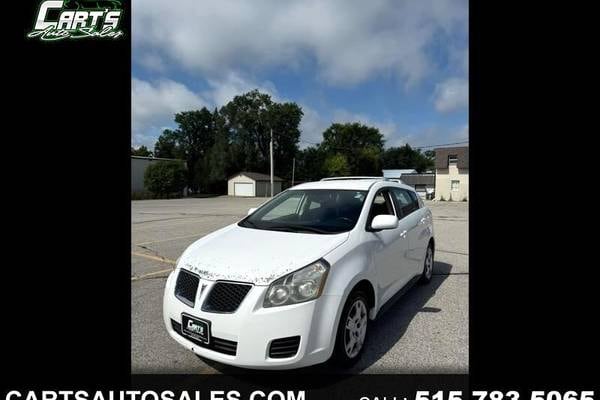
Listed since: 08-13-2025 - Not Priced
- 197,863 miles
- No accidents, 2 owners, corporate fleet vehicle
- 20 City / 26 Hwy MPG
- Cart's Auto Sales (Des Moines, IA)
Close
Located in Des Moines, IA / 572 miles away from Columbus, OH
Visit Cart's Auto Sales LLC online at cartsautosales.com to see more pictures of this vehicle or call us at 5**-7**-5*** today to schedule your t...
AutoCheck Vehicle History Summary
Accident Free Vehicle: Yes
Personal Use Only: No
History Provider: AutoCheck
Title Details: Clean Title
Salvage Vehicle: No
Frame Damage: No
Theft History: No
Lemon Status: No
Free History Report: No
Features and Specs:
22 Combined MPG (20 City/26 Highway)
Listing Information:
VIN: 5Y2SM670X9Z421402
Stock: 421402
Certified Pre-Owned: No
Listed since: 05-15-2025 - New Listing$4,995good price$1,154 below market
- 145,010 miles
- No accidents, 2 owners, personal use only
- 21 City / 28 Hwy MPG
- Digital Auto (Lexington, KY)
Close
Located in Lexington, KY / 164 miles away from Columbus, OH
Practical, sporty, and efficient the 2009 Pontiac Vibe Sport Wagon is the perfect blend of versatility and fun. This compact hatchback offers a spacio...
AutoCheck Vehicle History Summary
Accident Free Vehicle: Yes
Personal Use Only: Yes
History Provider: AutoCheck
Title Details: Clean Title
Salvage Vehicle: No
Frame Damage: No
Theft History: No
Lemon Status: No
Free History Report: No
Features and Specs:
24 Combined MPG (21 City/28 Highway)
Listing Information:
VIN: 5Y2SP67009Z456540
Stock: 8149
Certified Pre-Owned: No
Listed since: 05-28-2025 - $4,499fair price$745 below market
- 221,725 miles
- No accidents, 2 owners, personal use only
- 21 City / 28 Hwy MPG
- Prestige Motors (Saint Louis, MO)
Close
Located in Saint Louis, MO / 407 miles away from Columbus, OH
?? 2009 Pontiac Vibe - Fuel-Efficient & Reliable Hatchback | $4,699 ?? ?? PRESTIGE MOTORS 4205 S GRAND BLVD SAINT LOUIS, MO 63111 ?? Phone: 3**-3**-1*...
AutoCheck Vehicle History Summary
Accident Free Vehicle: Yes
Personal Use Only: Yes
History Provider: AutoCheck
Title Details: Clean Title
Salvage Vehicle: No
Frame Damage: No
Theft History: No
Lemon Status: No
Free History Report: No
Features and Specs:
24 Combined MPG (21 City/28 Highway)
Listing Information:
VIN: 5Y2SP670X9Z462507
Stock: 462507
Certified Pre-Owned: No
Listed since: 06-14-2025 - New Listing$5,499good price$1,005 below market
- 126,503 miles
- 21 City / 28 Hwy MPG
- Midwest Auto Store (Florence, KY)
Close
Located in Florence, KY / 120 miles away from Columbus, OH
***PAINT CHIPS AND FADING HOOD/ROOF***Jet Black Metallic 2009 Pontiac Vibe 4D Hatchback 2.4L 4-Cylinder VVT-i FWD 5-Speed Automatic16" Steel Wheels w/...
AutoCheck Vehicle History Summary Unavailable.
Features and Specs:
24 Combined MPG (21 City/28 Highway)
Listing Information:
VIN: 5Y2SP67029Z451551
Stock: 9Z451551
Certified Pre-Owned: No
Listed since: 07-05-2025 - $7,900fair price$195 below market
- 108,054 miles
- No accidents, 4 owners, corporate fleet vehicle
- 20 City / 26 Hwy MPG
- Haus Auto Group (Canfield, OH)
Close
Located in Canfield, OH / 131 miles away from Columbus, OH
This vehicle does not fall under a warranty due to age and or miles present on the odometer.2009 Pontiac Vibe Base Carbon Gray Metallic 2.4L 4-Cylinde...
AutoCheck Vehicle History Summary
Accident Free Vehicle: Yes
Personal Use Only: No
History Provider: AutoCheck
Title Details: Clean Title
Salvage Vehicle: No
Frame Damage: No
Theft History: No
Lemon Status: No
Free History Report: No
Features and Specs:
22 Combined MPG (20 City/26 Highway)
Listing Information:
VIN: 5Y2SM67019Z461660
Stock: 8882
Certified Pre-Owned: No
Listed since: 01-11-2025 - $6,995fair price$385 below market
- 109,651 miles
- No accidents, 2 owners, corporate fleet vehicle
- 26 City / 32 Hwy MPG
- A&M AutoMall (Moore, OK)
Close
Located in Moore, OK / 862 miles away from Columbus, OH
GET APPROVED TODAY!!! $0 DOWN WITH TRADE
AutoCheck Vehicle History Summary
Accident Free Vehicle: Yes
Personal Use Only: No
History Provider: AutoCheck
Title Details: Clean Title
Salvage Vehicle: No
Frame Damage: No
Theft History: No
Lemon Status: No
Free History Report: No
Features and Specs:
28 Combined MPG (26 City/32 Highway)
Listing Information:
VIN: 5Y2SP67899Z420559
Stock: 420559
Certified Pre-Owned: No
Listed since: 07-22-2025 - New Listing
- 97,533 miles
- No accidents, 2 owners, personal use only
- 20 City / 26 Hwy MPG
- Epic Auto (Idaho Falls, ID)
Close
Located in Idaho Falls, ID / 1,514 miles away from Columbus, OH
2009 Pontiac Vibe ALL WHEEL DRIVE WITH LOW MILES!!! ONLY 97k miles on this bad boy! If you know about these, you get a Toyota quality vehicle for the ...
AutoCheck Vehicle History Summary
Accident Free Vehicle: Yes
Personal Use Only: Yes
History Provider: AutoCheck
Title Details: Clean Title
Salvage Vehicle: No
Frame Damage: No
Theft History: Yes
Lemon Status: No
Free History Report: No
Features and Specs:
22 Combined MPG (20 City/26 Highway)
Listing Information:
VIN: 5Y2SM67059Z445770
Stock: 445770
Certified Pre-Owned: No
Listed since: 05-26-2024 - $6,995fair price$81 above market
- 92,500 miles
- No accidents, 2 owners, personal use only
- 21 City / 28 Hwy MPG
- Nerger's Auto Express (Bound Brook, NJ)
Close
Located in Bound Brook, NJ / 440 miles away from Columbus, OH
No Accidents, only two owners runs great. ITS A TOYOTA MATRIX with a Pontiac badge that's sells less than a Toyota badged matrix/vibe. Price Includes ...
AutoCheck Vehicle History Summary
Accident Free Vehicle: Yes
Personal Use Only: Yes
History Provider: AutoCheck
Title Details: Clean Title
Salvage Vehicle: No
Frame Damage: No
Theft History: No
Lemon Status: No
Free History Report: No
Features and Specs:
24 Combined MPG (21 City/28 Highway)
Listing Information:
VIN: 5Y2SP67019Z404589
Stock: 404589
Certified Pre-Owned: No
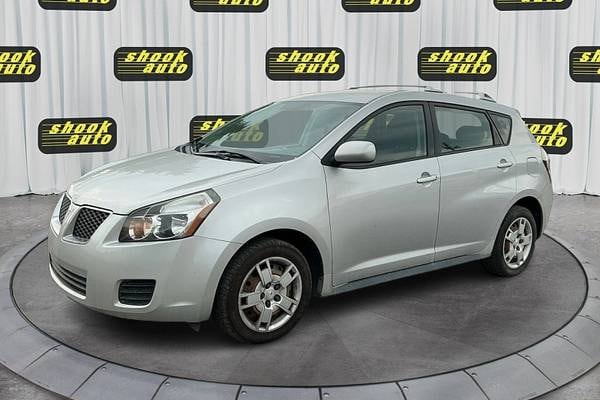
Listed since: 06-14-2025 - $7,950fair price$495 above market
- 112,901 miles
- No accidents, 1 owner, personal use only
- 20 City / 26 Hwy MPG
- Shook Auto (New Philadelphia, OH)
Close
Located in New Philadelphia, OH / 78 miles away from Columbus, OH
We at Shook Auto pledge to consistently provide a caring, value driven, and exceptional experience for all of our guests. Family Owned!We finance almo...
AutoCheck Vehicle History Summary
Accident Free Vehicle: Yes
Personal Use Only: Yes
History Provider: AutoCheck
Title Details: Clean Title
Salvage Vehicle: No
Frame Damage: No
Theft History: No
Lemon Status: No
Free History Report: No
Features and Specs:
22 Combined MPG (20 City/26 Highway)
Listing Information:
VIN: 5Y2SM67009Z404057
Stock: 404057
Certified Pre-Owned: No
Listed since: 09-26-2024 - New Listing$6,595fair price$62 below market
- 153,861 miles
- 4 accidents, 2 owners, personal use
- 21 City / 28 Hwy MPG
- Big Phil's Auto Plaza (Topeka, KS)
Close
Located in Topeka, KS / 687 miles away from Columbus, OH
2009 Pontiac Vibe, 154k. Great gas saver! Valve cover gasket, upper control arms and oil service just performed.We service and make sure everything wo...
AutoCheck Vehicle History Summary
Accident Free Vehicle: No
Personal Use Only: Yes
History Provider: AutoCheck
Title Details: Clean Title
Salvage Vehicle: No
Frame Damage: No
Theft History: No
Lemon Status: No
Free History Report: No
Features and Specs:
24 Combined MPG (21 City/28 Highway)
Listing Information:
VIN: 5Y2SR67099Z446941
Stock: 25-007
Certified Pre-Owned: No
Listed since: 01-20-2025 - $8,500fair price$11 above market
- 45,883 miles
- No accidents, 2 owners, personal use only
- 26 City / 32 Hwy MPG
- Wheel Deal Auto Sales (Norfolk, VA)
Close
Located in Norfolk, VA / 418 miles away from Columbus, OH
2009 Pontiac Vibe Wagon 1.8L | Automatic Only 45,000 miles | Clean CARFAX This Vibe is essentially a Toyota Corolla/Matrix under the hood known for ...
AutoCheck Vehicle History Summary
Accident Free Vehicle: Yes
Personal Use Only: Yes
History Provider: AutoCheck
Title Details: Clean Title
Salvage Vehicle: No
Frame Damage: No
Theft History: No
Lemon Status: No
Free History Report: No
Features and Specs:
28 Combined MPG (26 City/32 Highway)
Listing Information:
VIN: 5Y2SP67839Z470339
Stock: 470339
Certified Pre-Owned: No
Listed since: 06-24-2025







Showing 1 - 21 out of 229 listings
Consumer Reviews for the Pontiac Vibe
Read recent reviews for the Pontiac Vibe
2009 Vibe 1.8 automatic
brisan, 11/20/2014
2009 Pontiac Vibe 4dr Hatchback (1.8L 4cyl 5M)
I bought this car with 8000 miles on it and put on an additional 60,000 miles before it was totalled out in a crash with a 4 wheel drive pickup truck. We were driving almost 50 mph when the truck turned into us from the turn lane. We hit drivers side bumpers and came to an instant stop. My wife and I were banged up and bruised but able to walk away. We found out it had 4 and 5 stars in … crash tests. We loved this car and got between 32 and 36 mpg depending on driving habits and time of the year. We never had a single problem with it and are now in the process of finding another one to purchase.
Filters
Skip to ResultsApplied Filters4Active
Make & Model
Year
New / Used
Price & Payments
Price Rating
Body Type
Trim
Mileage
Accidents & History
Engine & Drivetrain
Exterior Color
Interior Color
Total Seating
Edmunds Review
Features
Options & Packages
MPG
* Delivery of any kind does not apply to Alaska and Hawaii. Contact the dealer for delivery details, restrictions and costs.