Skip to FiltersReport abuse
5 listings
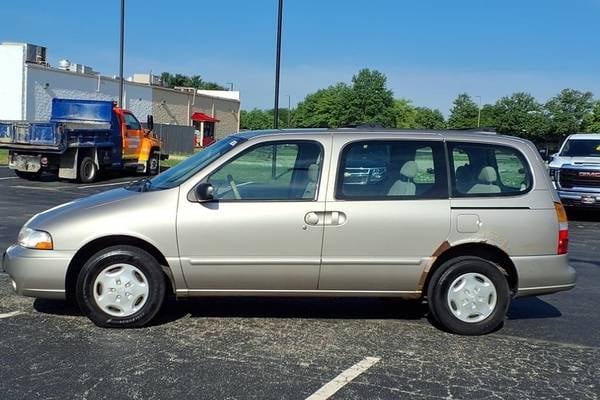
- New Listing
 Photos not available
- 57,920 miles
- No accidents, 1 owner, personal use only
- 15 City / 22 Hwy MPG
- Berea Auto Mall (168 mi away)
Close
Located in Berea, OH / 168 miles away from Bridgeport, WV
WARRANTY MAY BE AVAILABLE, MASTERCARD, VISA AND DISCOVER ACCEPTED, BANK FINANCING AVAILABLE, WE DO NOT DO IN HOUSE FINANCING BUT UTILIZE SEVERAL SECON...
AutoCheck Vehicle History Summary
Accident Free Vehicle: Yes
Personal Use Only: Yes
History Provider: AutoCheck
Title Details: Clean Title
Salvage Vehicle: No
Frame Damage: No
Theft History: No
Lemon Status: No
Free History Report: No
Features and Specs:
18 Combined MPG (15 City/22 Highway)
Listing Information:
VIN: 4M2XV11T0XDJ42182
Stock: P1228
Certified Pre-Owned: No
Listed since: 09-11-2025 - 98,780 miles
- No accidents, 1 owner, personal use
- 7 Seats, 15 City / 21 Hwy MPG
- Forrester Lincoln (146 mi away)
Close
Located in Chambersburg, PA / 146 miles away from Bridgeport, WV
2002 Mercury Villager Estate, Oxford White Clearcoat, 1-Owner, Accident Free AutoCheck History Report, Local Trade, Vehicle Spent Last 23 Years in Flo...
AutoCheck Vehicle History Summary
Accident Free Vehicle: Yes
Personal Use Only: Yes
History Provider: AutoCheck
Title Details: Clean Title
Salvage Vehicle: No
Frame Damage: No
Theft History: No
Lemon Status: No
Free History Report: Yes
Features and Specs:
17 Combined MPG (15 City/21 Highway)
Listing Information:
VIN: 4M2ZV14T22DJ03218
Stock: 125531
Certified Pre-Owned: No
Listed since: 08-29-2025- 173,000 miles
- No accidents, 2 owners, personal use only
- 7 Seats, 15 City / 21 Hwy MPG
- Adan Auto Credit (444 mi away)
Close
Located in Effingham, IL / 444 miles away from Bridgeport, WV
The front windshield is in excellent condition. The paint is in great shape and condition. No dings are visible on this vehicle. There is more than 50...
AutoCheck Vehicle History Summary
Accident Free Vehicle: Yes
Personal Use Only: Yes
History Provider: AutoCheck
Title Details: Clean Title
Salvage Vehicle: No
Frame Damage: No
Theft History: No
Lemon Status: No
Free History Report: No
Features and Specs:
17 Combined MPG (15 City/21 Highway)
Listing Information:
VIN: 4M2ZV11T31DJ16000
Stock: J16000
Certified Pre-Owned: No
Listed since: 07-16-2025- 131,441 miles
- No accidents, 2 owners, personal use only
- 7 Seats, 15 City / 21 Hwy MPG
- Mike's Auto Sales of Charlotte (283 mi away)
Close
Located in Charlotte, NC / 283 miles away from Bridgeport, WV
I have a 2002 Mercury Villager Sport that runs and drives great! This Mercury is a 2 owner van with only131k miles! It comes with cold a/c, heat, powe...
AutoCheck Vehicle History Summary
Accident Free Vehicle: Yes
Personal Use Only: Yes
History Provider: AutoCheck
Title Details: Clean Title
Salvage Vehicle: No
Frame Damage: No
Theft History: No
Lemon Status: No
Free History Report: No
Features and Specs:
17 Combined MPG (15 City/21 Highway)
Listing Information:
VIN: 4M2ZV12T92DJ13960
Stock: J13960
Certified Pre-Owned: No
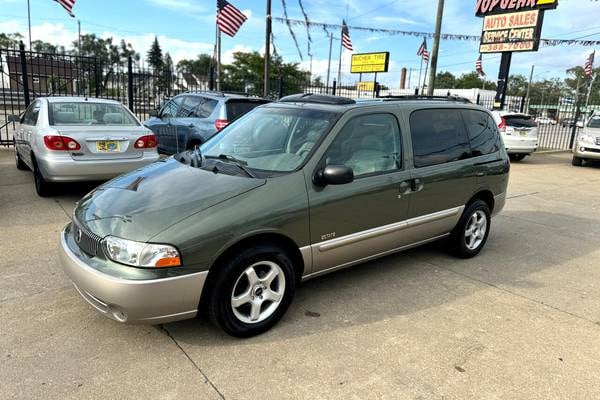
Listed since: 11-04-2023- 67,628 miles
- No accidents, 1 owner, personal use only
- 7 Seats, 15 City / 21 Hwy MPG
- Top Gearz Auto Sales (261 mi away)
Close
Located in Hamtramck, MI / 261 miles away from Bridgeport, WV
Visit Top Gearz Auto online at www.topgearz.com to see more pictures of this vehicle or call us at 3**-8**-6*** today to schedule your test drive.
AutoCheck Vehicle History Summary
Accident Free Vehicle: Yes
Personal Use Only: Yes
History Provider: AutoCheck
Title Details: Clean Title
Salvage Vehicle: No
Frame Damage: No
Theft History: No
Lemon Status: No
Free History Report: No
Features and Specs:
17 Combined MPG (15 City/21 Highway)
Listing Information:
VIN: 4M2ZV14T32DJ13885
Stock: 772
Certified Pre-Owned: No
Listed since: 08-26-2025


We didn’t find many exact matches. Try adjusting your filters
Showing 1 - 5 out of 5 listings
Consumer Reviews for the Mercury Villager
Read recent reviews for the Mercury Villager
Good Roomy Van
Leo, 03/16/2010
1998 Mercury Villager GS 3dr Minivan
I've owned this van for about 3 months. No problems so far except the door locks only seem to work when they want to. It has 105,000 miles and all I've heard is good things on this site. The later models 2000 and above seemed to be getting dogged by consumer reports. What's up with that? I wonder what they changed.
Filters
Skip to Results